Mice and Rats field guide
Roof Rats. How to Spot Them and Get Them Out
Roof rats are sleek climbers that nest in attics, wall voids and trees. The tail is dark and longer than the head and body.1 Seal gaps over 1/4 inch, prune limbs within 3 feet of the roof, and set snap traps off the ground on ledges and beams.1 Most rat jobs cost $150 to $600.2
Field guide reviewed October 31, 2026, with 6 cited sources

1333 pest companies name mice and rats, 260 in Ohio and 1073 in California. 1333 say so on their own website.
See Who Treats Mice and RatsHow to identify a roof rat
Photo by Laura Mae, CC BY 4.0, via iNaturalist Roof rat
Rattus rattus
- Size
- 5 to 10 oz
- Look
- sleek and agile, pointed muzzle, ears reach the eyes, gray to white belly
- Where
- Almost all California cities
Tail is dark all over and extends at least to the snout when pulled forward.
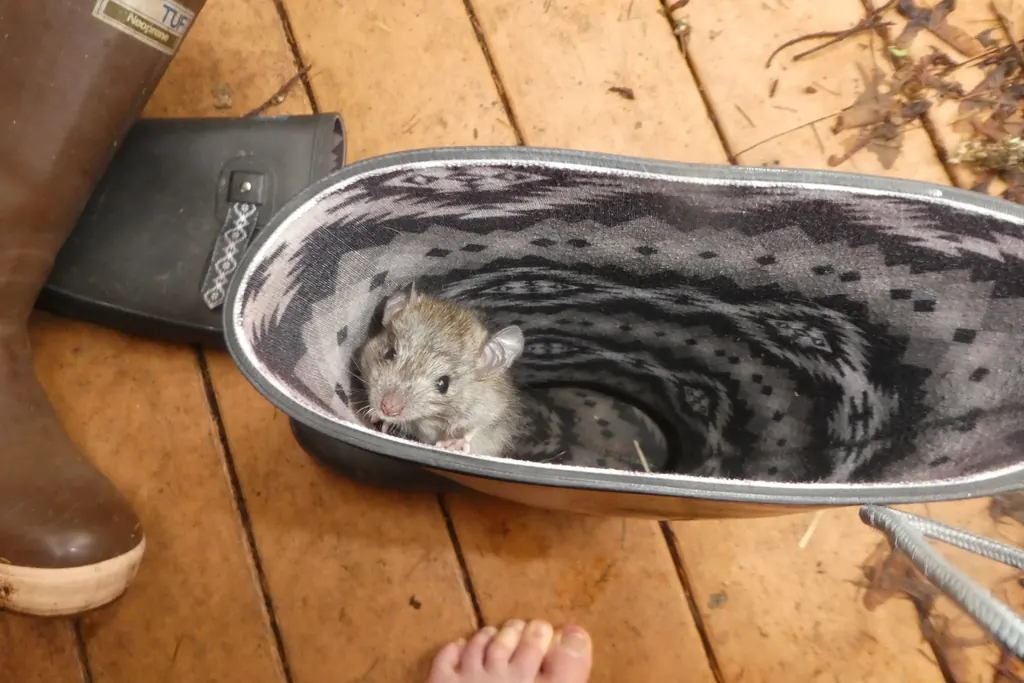
Photo by Mara Christensen, CC BY 4.0, via iNaturalist Norway rat
Rattus norvegicus
- Size
- 7 to 18 oz
- Look
- large and robust, blunt muzzle, ears do not reach the eyes, mostly gray belly
- Where
- Throughout the 48 contiguous states
Tail is dark above and pale below, reaching only the middle of the skull.
The tail gives it away. Pull a roof rat's tail over its back and it reaches at least to the snout. It is dark all over. A Norway rat's tail reaches only to the middle of the skull and is pale below.1
Roof rats are smaller and sleeker, at 5 to 10 ounces, with a pointed muzzle, a gray to white belly and ears that reach the eyes when folded forward.1 The roof rat is also called the black rat, house rat or ship rat. Its tail is longer than the head and body combined.1
See the photos above, and compare with the Norway rat guide. Not sure it is a rat at all? Start at the mice and rats hub.
Roof rat life cycle
Life cycle of roof rats
- 1Litters per year3 to 5
- 2Young per litterup to 8
- 3Adult size5 to 10 oz
Roof rats breed fast, though not as fast as mice. The average number of litters is 3 to 5 a year, with up to 8 young in each.1
They live where they nest. Roof rats usually nest above ground in shrubs, trees and dense vegetation such as ivy. Indoors they pick attics, wall voids, ceiling voids and cabinets. When no elevated place exists, they burrow into soil or live in sewers.1
They roam far for food, up to 300 feet or more, so a roof rat may live in your landscaping and eat a neighbor's fruit.1 That means your fix works only if the block works too.
Signs of roof rats
Roof rats are easy to miss from the ground. Check overhead.
- Noises from the attic or drop ceilings.1
- Rats running along utility lines or fence tops at dusk and after dark.1
- Fruit or nuts with gnaw marks. Citrus gets hollowed out and left as an empty rind.1
- Droppings near pet food and food storage.1
- Roof rats climb, so look for gnawing high up on trim, vents and eaves.
- Nests in firewood stacks, garages and behind boxes.1
- Smudge marks on beams and pipes where rats run.
Pet cats and dogs that drag in dead rats are another warning sign.1
Health and property risks
Rats contaminate food and gnaw buildings. UC IPM lists typhus, leptospirosis, rat bite fever and foodborne illness such as salmonella, E. coli and campylobacter among the diseases rats can transmit.1
Plague is rarely found in roof and Norway rats, though it occurs in wild rodents in California. Roof and Norway rats do not carry or transmit rabies.1
Rats are linked to medically significant allergic responses in people. They also destroy fruit crops and garden plants.1
The biggest property risk is hidden. Rats living in an attic or wall void chew insulation and wiring unseen. Get an attic inspection before you decide the job is done.
Getting rid of roof rats
Trap high, bait carefully. Snap traps are the safest, most effective and cheapest way to catch rats. For roof rats, set traps in off-the-ground spots such as ledges, shelves, branches, fences, pipes and overhead beams. Use about a pea-sized amount of bait. Space traps about 10 to 20 feet apart, and use a dozen or more in a heavy infestation. Keep traps away from children and pets.1
Bait is tricky. Roof rats may not enter bait stations, even stations along established runways. Seal building entry points before outdoor baiting so poisoned rats do not die indoors.1 EPA keeps second-generation poisons out of consumer products.3
Hire a pro for rats in the attic, repeated trap failure or a neighbor problem. Ask for the sealing plan in writing. See mice and rats for general trap steps.
Roof rat control cost
Price ranges for roof rats
- Rat job, typical$150 to $600 per job
- Sealing entry points$150 to $650 per job
- Initial inspection$90 to $150 per visit
- Monthly service visit$50 to $75 per visit
A typical rat job costs $150 to $600, and about $400 for a 2,000 square foot home. A big infestation or large property can reach about $6,500.2
Sealing entry points runs $150 to $650, an initial inspection $90 to $150, and monthly visits $50 to $75. Fumigation is much higher at $2,000 to $6,500 or more.2
What moves the price? Where the rats live, whether they are in walls or crawl spaces, how much damage there is, and your region. Poorly maintained properties cost more.2
The page we used does not give a separate price for roof rats, so use the rat range and get at least two quotes.
Keeping roof rats out
Make the house hard to reach and boring to live in.
- Prune tree limbs that are within 3 feet of a roof.1
- Remove climbing plants from buildings.1
- Thin dense plantings and leave at least a 2 foot space between each shrub and between shrubs and buildings.1
- Seal cracks and holes larger than 1/4 inch with steel wool, wire screen or sheet metal.1
- Pick up fallen fruit and nuts and clean up garden debris.1
- Feed pets only what they finish, or bring food inside at night.1
When roof rats are active
When roof rats are active, by month
- Quiet
- Low
- Active
- Peak
UC IPM describes no off season for roof rats, so the grid shows steady activity where they live. They have 3 to 5 litters a year, so new rats arrive in every season.1
What changes is where you see them. Fruit ripens, so trees draw rats at harvest. They also move indoors to attics and wall voids, which are enclosed, elevated spaces.1
Prune and clean up fallen fruit before the main fruit season, and check the roofline twice a year.
OHRoof rats in Ohio
Roof rats are a California and warm-climate pest. UC IPM says they prefer warm climates and coastal ecosystems.1 The Ohio sources we used do not list roof rats as an Ohio home pest.
A rat in an Ohio attic or basement is most likely a Norway rat, since Norway rats live throughout the 48 contiguous states.1 Check the tail against the photos above, then use the Norway rat guide.
Ohio law requires pest management companies to be licensed through the Ohio Department of Agriculture. Ask for the license, proof of insurance and workers' compensation, and get at least three bids.6
CARoof rats in California
Roof rats are in almost all California cities, and their range is expanding. They like warm climates and coastal areas.1 Mature landscaping, ivy and fruit trees make good habitat.1
California limits poison. Three active ingredients are registered for rat control, bromethalin, cholecalciferol and zinc phosphide. Most first- and second-generation anticoagulants are prohibited for most uses, and bait used in and around structures generally must sit in bait stations within 50 feet of a structure.1
Pest companies hold licenses by branch. Branch 2 covers household pests without fumigation. Applicators and field representatives can work only for a registered company.4 Verify a company or individual on the Board's online services page before you sign.5
More Mice and Rats Guides
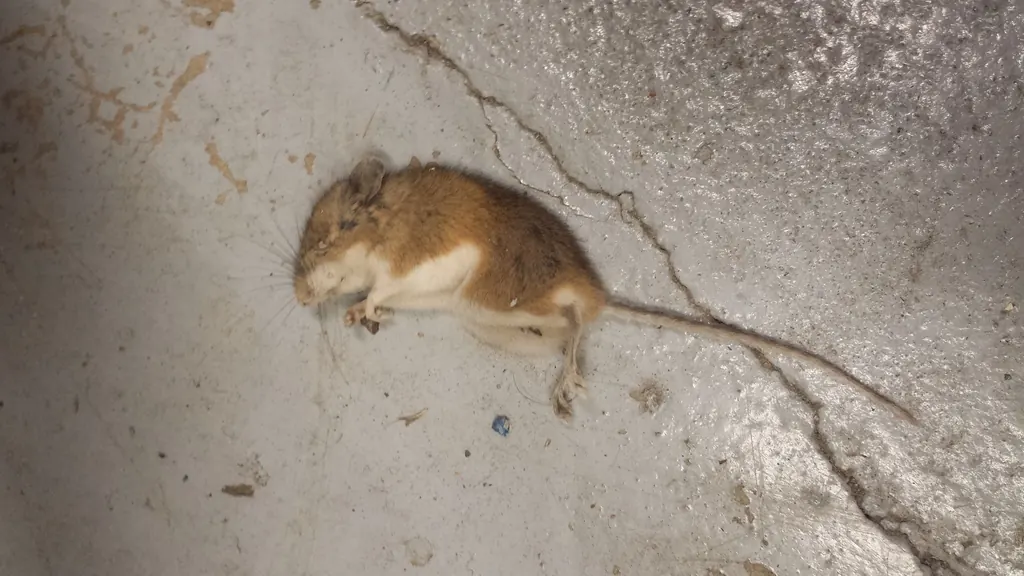 Deer Mice and HantavirusDeer mice carry Sin Nombre hantavirus, the cause of most hantavirus lung illness in the western U.S.
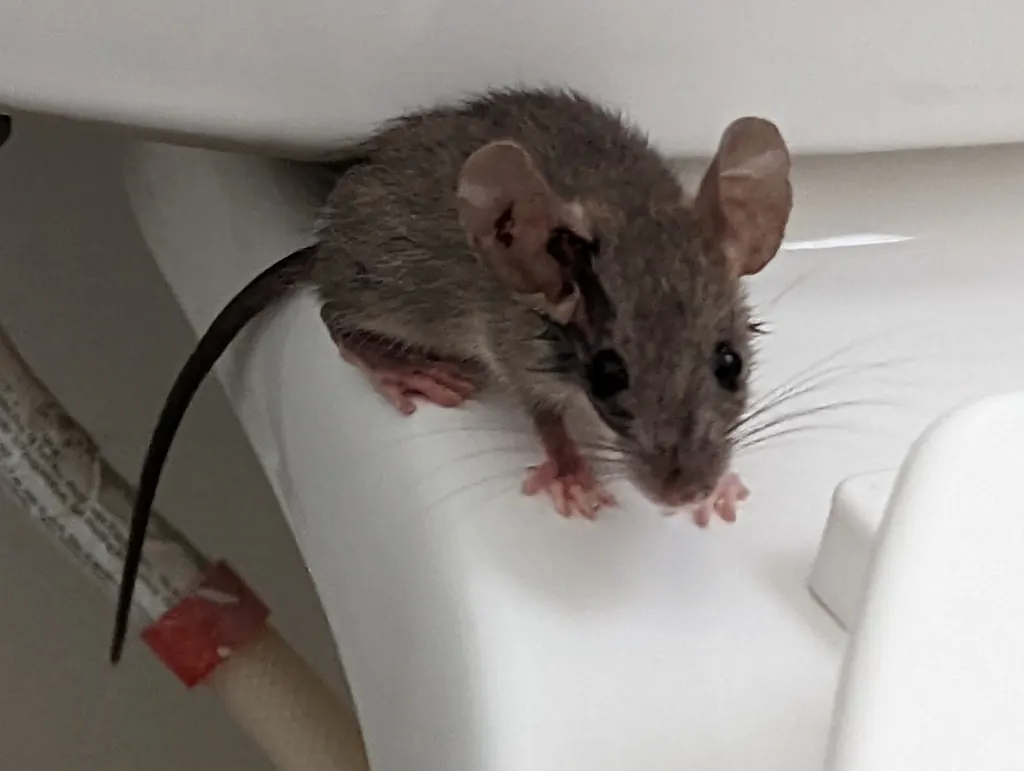 House MiceThe house mouse is a gray-brown rodent about 5 to 7 inches long with its tail.
- Norway RatsNorway rats are large, stocky rats that burrow along foundations, under woodpiles and trash, then move into ba
Read the full mice and rats guide
Who Treats Mice and Rats Near You
These companies name mice and rats on their own website, the top of each state list. See all 1333 sorted by region.
Ohio
- Names mice on its siteOpen 7 days
Bayer Pest Control
4.9 from 53 reviews - Names mice on its siteSaturdays

Expert Pest Management
4.9 from 159 reviews - Names mice on its site

Crago's Pest Solutions and Home Inspections, LLC
5.0 from 4 reviews - Names mice on its siteSaturdays
Expert Pest Management
4.0 from 3 reviews - Names mice on its siteSaturdays
Expert Pest Management
5.0 from 2 reviews - Names mice on its siteSaturdays
Expert Pest Management
5.0 from 1 reviews
California
- Names mice on its site

Newport Exterminating
4.9 from 516 reviews - Names mice on its siteOpen 7 days

Legacy Pest Management
5.0 from 54 reviews - Names mice on its siteOpen 7 days
Dan's Pest Management Inc.
4.9 from 223 reviews - Names mice on its siteSaturdays

Versa-Tech Pest Management
4.9 from 48 reviews - Names mice on its siteOpen 7 days

The Termite Inspectors of Tustin
5.0 from 16 reviews - Names mice on its siteOpen 7 days

Dewey Pest & Termite Control
4.8 from 910 reviews
Questions People Ask About Roof Rats
How can I get rid of roof rats?
Seal gaps over 1/4 inch with steel wool, wire screen or sheet metal, prune limbs within 3 feet of the roof, then set snap traps off the ground on ledges, pipes, fences and beams.1
What attracts roof rats?
Fruit, tree nuts, berries and pet food. They eat avocados and citrus right on the tree. Dense shrubs and ivy give them shelter, and overhead lines and fence tops give them a road.1
What time of day are roof rats most active?
They are often seen at night or at dusk, running along overhead utility lines and fence tops. Their long tails help them keep balance.1
How do I protect fruit trees from rats?
Pick up fallen fruit and nuts, since roof rats feed on fruit and tree nuts. Set snap traps up in branches and on fences, and seal the building before you put out any outdoor bait.1
How is a roof rat different from a Norway rat?
A roof rat is sleeker at 5 to 10 ounces with a pointed muzzle and a dark tail longer than its body. A Norway rat is stockier at 7 to 18 ounces with a blunt muzzle.1
Can roof rats chew through walls?
They chew plastic, foam, wood and caulk. Use steel wool, wire screen or sheet metal on holes larger than 1/4 inch. A rat can get under a door through a 1/2 inch gap.1
Sources
- UC IPM. Pest Notes Rats
- Today's Homeowner. Rat Exterminator Cost
- EPA. Safely Use Rodent Bait Products
- California Structural Pest Control Board. Licensee Types and Branches
- California Structural Pest Control Board. Online Services
- Ohio State University Extension. Choosing a Pest Management Company