Termites field guide
Subterranean Termites. How to Spot Them and Stop Them
Subterranean termites nest in the soil and reach your house through mud tubes on the foundation. Look for those tubes, swarms in spring or fall, and wood that is hollow along the grain.1,2 Treatment is a licensed job. A pro treats the soil with a termiticide or sets bait stations, and you fix the moisture.1,3 See the termite hub for the big picture.
Field guide reviewed October 31, 2026, with 7 cited sources
1013 pest companies name termites, 203 in Ohio and 810 in California. 1013 say so on their own website.
See Who Treats TermitesHow to identify subterranean termites
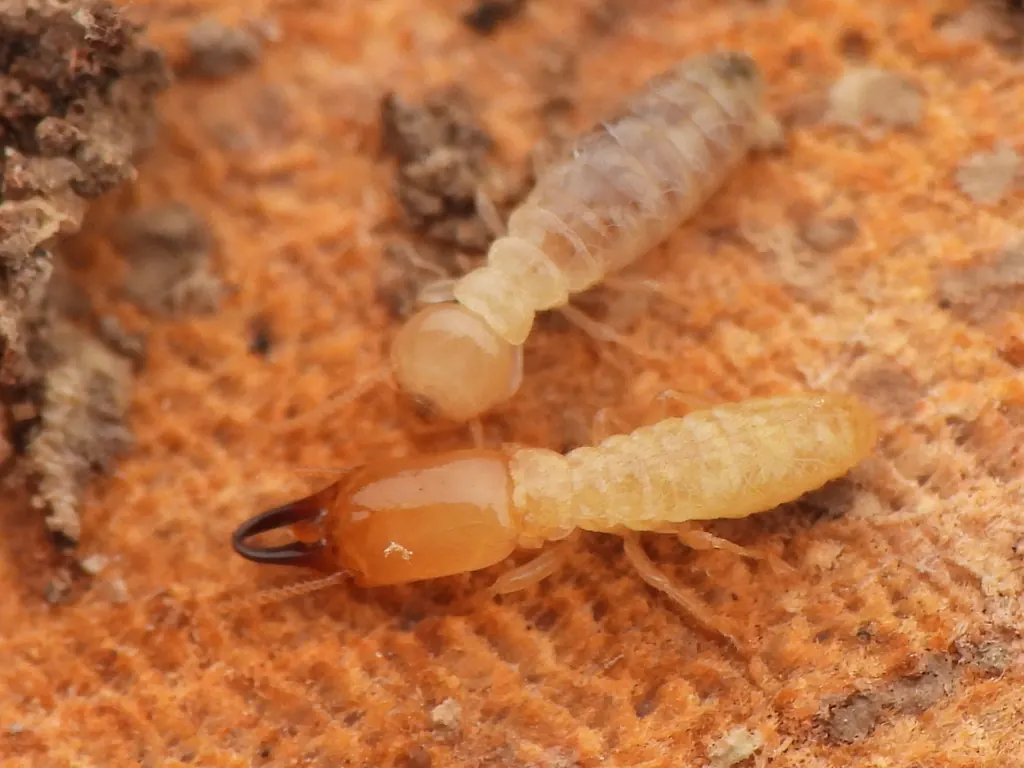
Photo by Sam Kieschnick, CC BY 4.0, via iNaturalist Eastern subterranean termite
Reticulitermes flavipes
- Size
- Small next to drywood and dampwood termites
- Look
- Pale caramel workers, soldiers with long amber heads
- Where
- Ohio
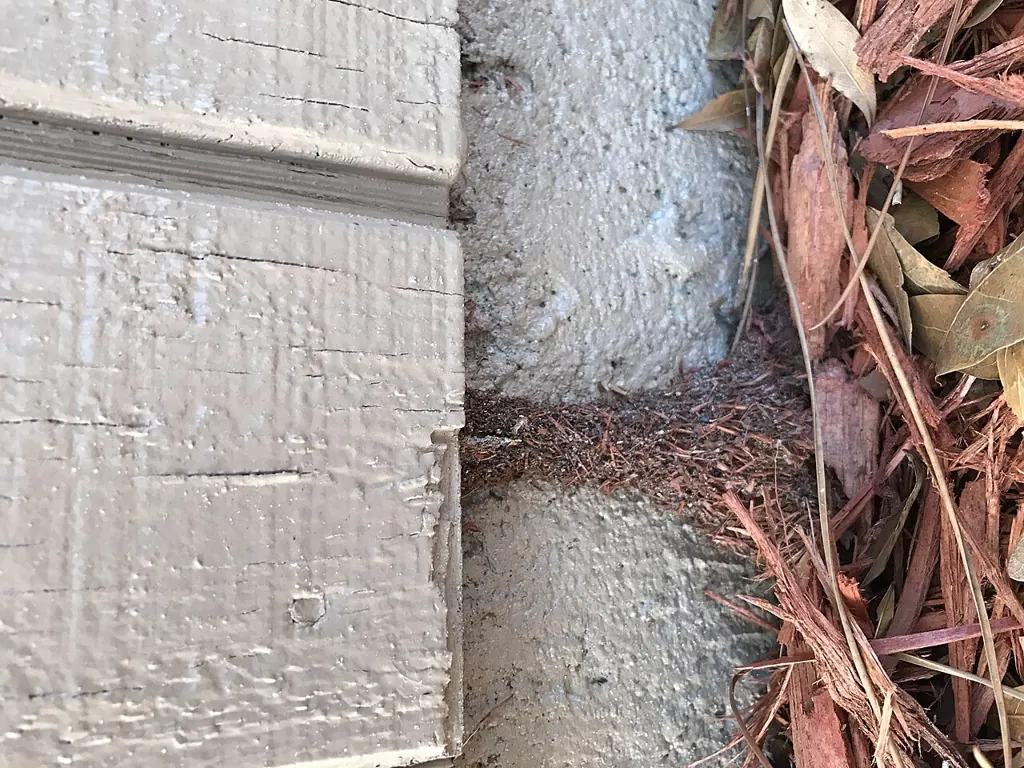
Mud tubes on outer walls and pillars near the soil.2
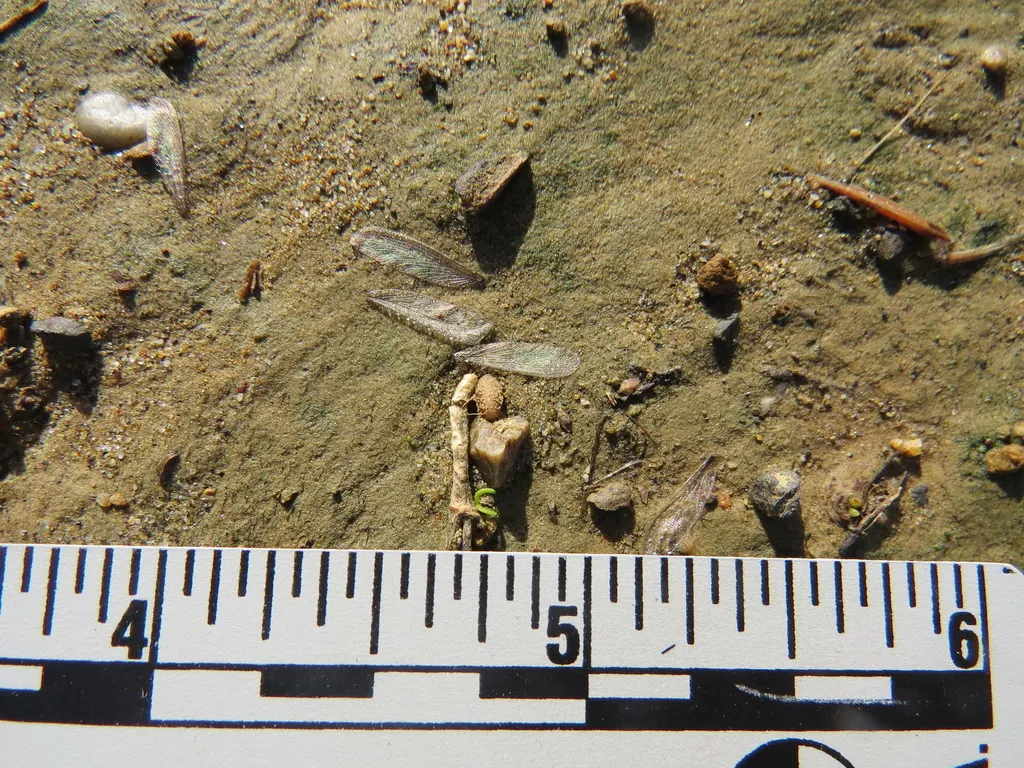
Photo by Garth Harwood, CC BY 4.0, via iNaturalist Western subterranean termite
Reticulitermes hesperus
- Size
- Small next to drywood and dampwood termites
- Look
- Light caramel workers, narrow amber soldier heads with no eyes
- Where
- California
Afternoon swarms in spring or fall on clear days after a soaking rain.1
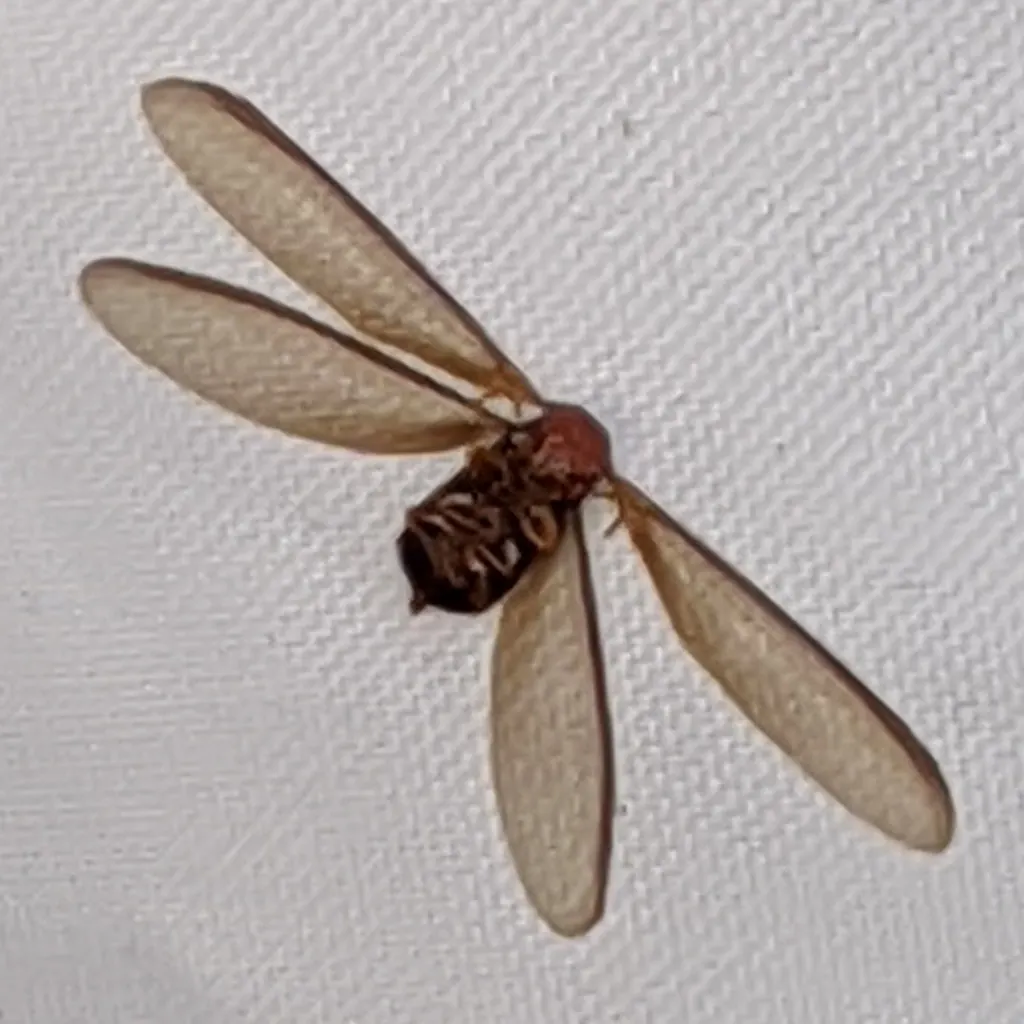
Photo by Justin, CC BY 4.0, via iNaturalist Western drywood termite
Incisitermes minor
- Size
- Colony under 1,000 insects
- Look
- Lives in dry wood, no soil contact
- Where
- California coast, valley and southern deserts
Six-sided pellets instead of mud tubes. If you see pellets, read the drywood guide.4
Workers are wingless and light caramel. Soldiers have long, narrow amber heads with no eyes.1 The insects are small next to drywood and dampwood termites, but mature colonies hold hundreds of thousands.1
You will see the mud before the insects. Workers build shelter tubes from saliva, soil and bits of wood or drywall.1 Ohio State says the tubes also contain feces and cellulose.2
Swarmers and tubes are the clues. Pellets and kickout holes point to drywood termites instead. Back to the termite hub for all three types.
Life cycle
Life cycle of subterranean termites
- 1Swarmspring or fall in California
- 2Pair seals a chamberdays after landing
- 3Young colonyabout 75 insects at 1 year
- 4Mature colonyhundreds of thousands
- 5King and queena decade or more
A swarm starts it. Winged adults fly, pair up and lose their wings. Most die in flight to predators.1
A surviving pair digs a chamber in the soil, seals it and lays eggs. After a year the new colony may have only about 75 insects.1 A queen later lays thousands of eggs in a day.1
Kings and queens live a decade or more, and Ohio State says up to about 20 years.1,2 If they die, neotenic reproductives take over egg laying.2 That is why one treated spot may not end a colony.
Signs of subterranean termites
- Shelter tubes on foundations, walls or pillars near soil.2
- Swarms of winged termites and shed wings, often near windows.2
- Hollow tunnels that follow the grain and skip the harder summerwood.1
- Darkened or blistered wood that a screwdriver pushes through.1
- Lumps in paint over wood.2
Live termites in the wood mean the colony is active.1 Heavily damaged wood can look hollow while its surface stays intact.2
Risks
The risk is to your house. These termites prefer decayed wood, but they can move into sound wood too.1 A 2,400 square foot home may sit over several colonies with hundreds of thousands of foragers.1
They also damage soft items next to infested wood, such as leather and Styrofoam.2 The sources we used list no disease threat to people. Handle treatment chemicals by the label and keep pets and kids away from treated soil.3
Treatment, DIY or pro
UC IPM says there are no reliable over-the-counter termite products in California. The best methods are for licensed pros only.1 Ohio State says the same for Ohio.2
Pros use two main tools. A liquid termiticide goes into the soil around the building by drench or injection. Nonrepellent products like fipronil and imidacloprid work at low doses.1 Or they use bait stations, placed about every 10 feet in Ohio. Baits can take months or years to finish a colony.1,2
Fumigation and heat do not work on these termites.1 You can break shelter tubes to cut access, but that only buys time.1 Fix the moisture too.2
Cost
Price ranges for subterranean termites
- Inspection$150 to $350 per visit
- Liquid soil treatment$4 to $14.50 per linear ft
- Bait stations$8 to $12 per linear ft
- Typical whole job$450 to $2,000 per job
Fixr lists liquid soil treatment at $4 to $14.50 per linear foot and baiting at $8 to $12 per linear foot. Each bait monitoring station costs about $40.5
A one-time inspection runs $150 to $350. The overall typical job is $450 to $2,000.5 A home with a long foundation or a crawl space with many piers costs more. Ask if the quote includes a re-treatment warranty.
Prevention
- Keep structural wood at least 12 inches above the soil.1
- Keep foundation areas ventilated and dry.1
- Remove stumps, stored lumber and untreated fence posts that touch the ground.1
- Use pressure-treated lumber where wood meets the weather.1
- Keep gutters and grading moving water away from the foundation.3
- Inspect every 3 to 5 years.1
Season
When subterranean termites are active, by month
- Quiet
- Low
- Active
- Peak
Ohio swarms come in spring and early summer. Winter swarms are uncommon but can happen near warm areas of a building.2
In California, Reticulitermes swarm in the afternoon in spring or fall on clear days after a soaking rain.1 They forage year-round, with little activity from November to February and high but erratic activity in summer.1
OHOhio notes
The eastern subterranean termite is the Ohio species. The state's risk is rated moderate to heavy.2 Only certified professionals should treat it.2
Ohio companies need a commercial applicator license from the Ohio Department of Agriculture. Category 10b covers termite control, and category 12 covers wood-destroying insect inspections. Licenses expire each Sept. 30.6
Back to the termite hub for Ohio and California together.
CACalifornia notes
Reticulitermes is the most destructive subterranean termite in California. Heterotermes aureus is the worst in the Sonoran Desert of the southeast. The Formosan subterranean termite is limited to a small area near San Diego.1
Most lenders require a wood destroying pests and organisms inspection. The Structural Pest Control Board lets you check whether one was filed in the last two years.7 Get several inspection reports before you pick a company.4
Organic or Extermination for Termites
Here is what each way of getting rid of termites looks like, side by side, from university and EPA sources.
Organic and green
- Fix leaks and keep wood out of contact with soil, which takes away what subterranean termites need. 1
- Heat treatment can clear drywood termites with no residue, if the core of every infested board gets hot enough. 2
- Borate wood treatments and spot methods like heat, freezing or microwaves work on the wood they reach. 2
- Orange oil and neem have been tried, but university tests question how well d-limonene works. 2
How well each one works. For subterranean termites there is no organic method that replaces a soil treatment or baits. For drywood termites, heat is a real green choice when the infestation is in reach, and fumigation is the most complete when damage is widespread. Neither heat nor fumigation leaves protection behind. 123
More Termites Guides
- Drywood TermitesDrywood termites live inside dry wood and push out six-sided pellets through tiny kickout holes.
- Flying Ants vs TermitesPinch one insect and look.
Who Treats Termites Near You
These companies name termites on their own website, the top of each state list. See all 1013 sorted by region.
Ohio
- Names termites on its siteOpen 7 days
- Names termites on its siteSaturdays
- Names termites on its site
- Names termites on its siteSaturdays
- Names termites on its siteSaturdays
- Names termites on its siteSaturdays
California
- Names termites on its site

- Names termites on its siteOpen 7 days
- Names termites on its siteOpen 7 days
- Names termites on its siteOpen 7 days
- Names termites on its siteOpen 7 days
- Names termites on its siteSaturdays
Questions People Ask About Subterranean Termites
Are there different types of termites?
Yes. California pests are subterranean, drywood and dampwood termites. Subterranean termites live in soil, drywood termites live in dry wood and dampwood termites like wet wood. Ohio's main pest is the eastern subterranean termite.1,2
How fast do termites spread?
No source gives a spread rate. A new colony may hold only about 75 insects after a year, and swarmers usually fly less than 100 meters. Colonies keep growing for years.1
What are the signs of a subterranean termite infestation?
Mud tubes on foundations, swarms and shed wings, hollow tunnels that follow the grain and blistered wood. Live termites in damaged wood show the colony is active.1,2
What do subterranean termites eat?
They eat cellulose, which means wood and wood products. They prefer decayed wood, and they can damage soft items near infested wood, like leather and Styrofoam.1,2
What kills subterranean termites instantly?
Nothing is instant. Soil termiticides and baits are the pro tools, and baits can take months or years to take out a colony. Fumigation and heat do not work on them.1
What smell do subterranean termites hate?
No fetched source backs a smell that works. UC IPM says there are no reliable over-the-counter termite products in California, so use a licensed pro.1
Sources
- UC IPM. Pest Notes Subterranean and Other Termites
- Ohio State University. Eastern Subterranean Termite, Reticulitermes flavipes
- US EPA. Termites. How to Identify and Control Them
- UC IPM. Pest Notes Drywood Termites
- Fixr. Termite Treatment Cost
- Ohio State University Extension. Ohio Commercial Pesticide Applicator Requirements
- California Structural Pest Control Board. Wood Destroying Organism System Search