Termites field guide
Drywood Termites. Pellets, Fumigation and What It Costs
Drywood termites live inside dry wood and push out six-sided pellets through tiny kickout holes. Pellets under a hole, shed wings and hollow wood are the signs.1 A pro treats the whole house with fumigation or heat, or hits a small spot with a local treatment.1 Home-use products do not work.1 See the termite hub for other types.
Field guide reviewed October 31, 2026, with 7 cited sources
6,214 pest companies name termites across 50 states and Washington DC, 203 in Ohio and 810 in California. 6,214 say so on their own website.
See Who Treats TermitesHow to identify drywood termites
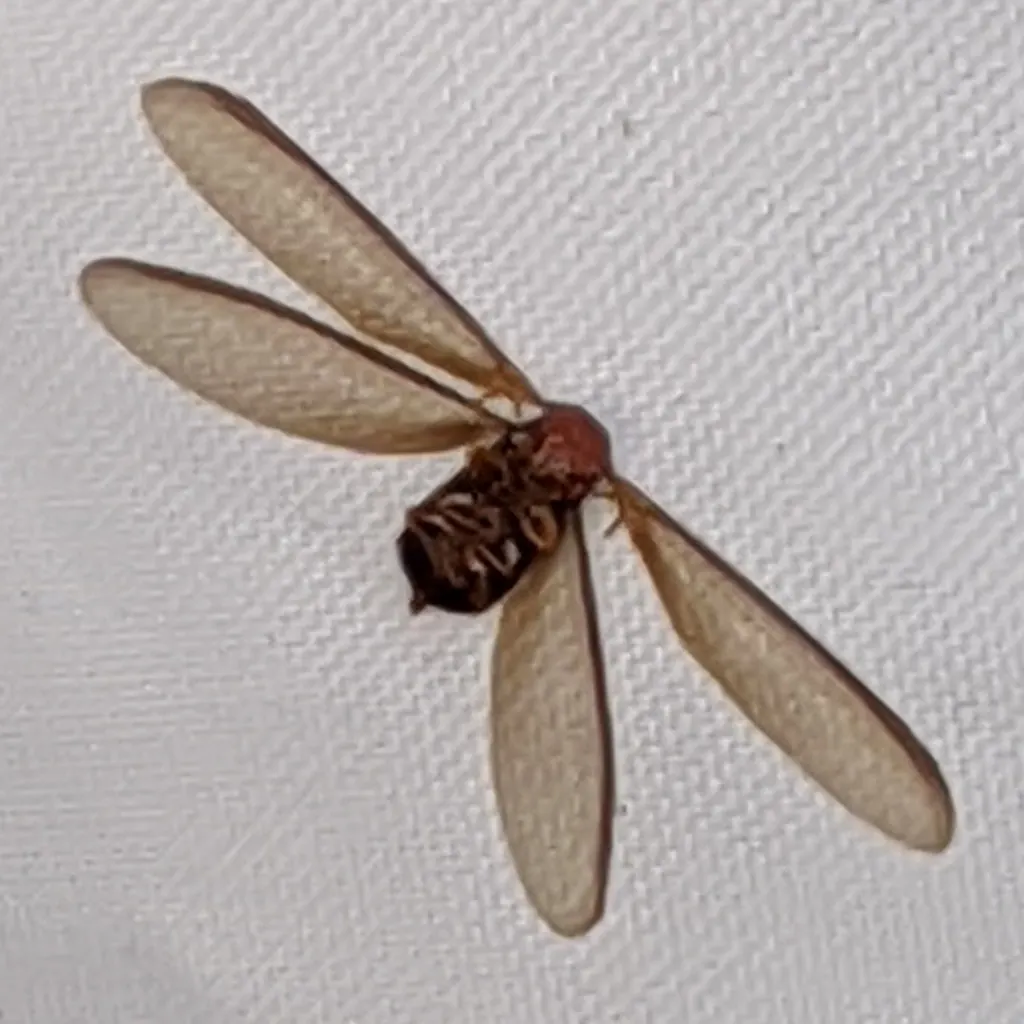
Photo by Justin, CC BY 4.0, via iNaturalist Western drywood termite
Incisitermes minor
- Size
- Colony under 1,000 insects
- Look
- Lives inside dry wood and pushes out ridged, six-sided pellets
- Where
- Pacific coast, Central Valley and southern deserts
Daytime swarms in summer and fall plus hexagonal pellets.1
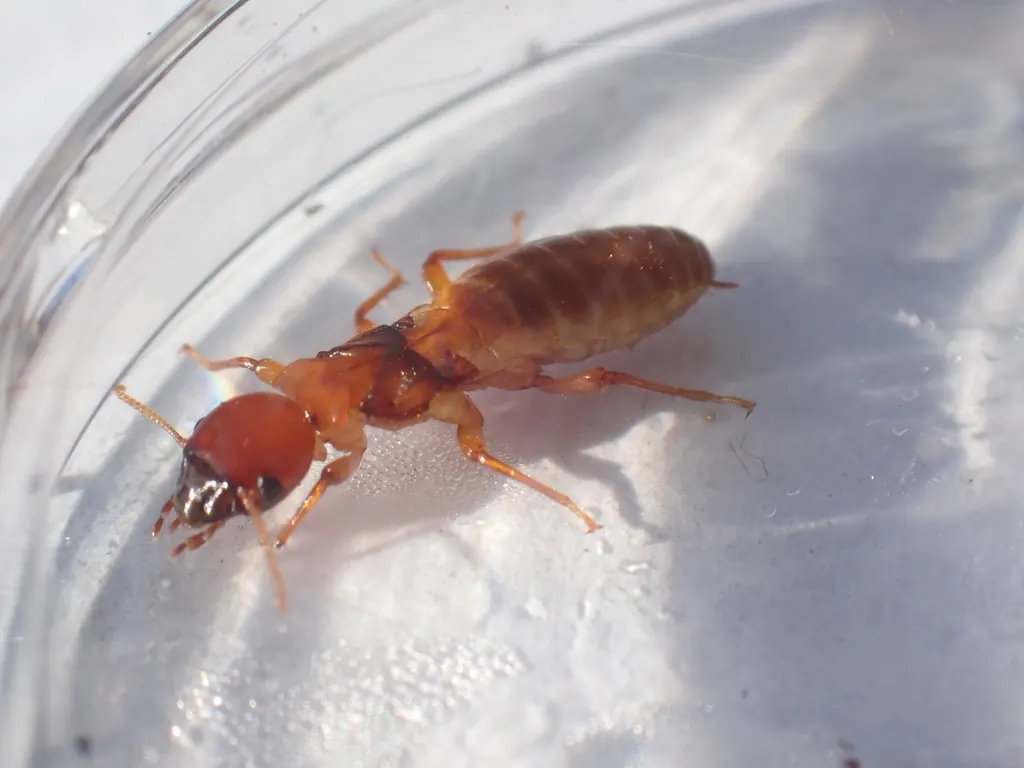
Public domain photo, CC0, via iNaturalist Dampwood termite
Zootermopsis angusticollis
- Size
- Larger than drywood swarmers
- Look
- Football-shaped pellets with no ridges
- Where
- Cool, humid coast and mountain ranges
Its swarmers come to lights at night, not in the day.1
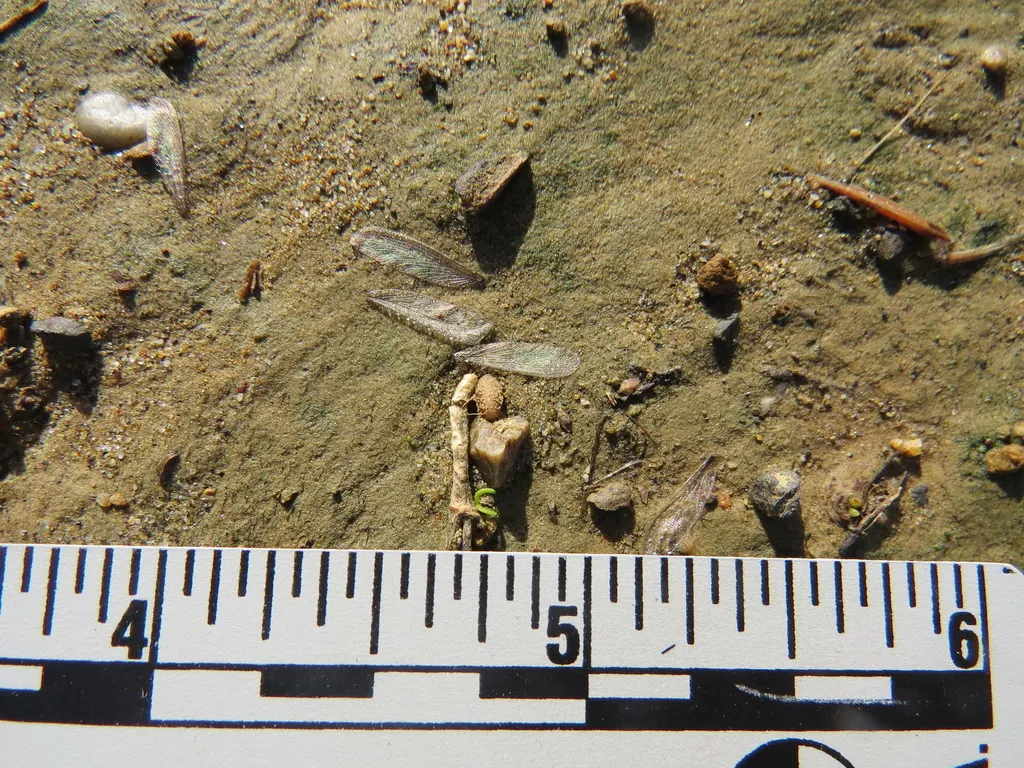
Photo by Garth Harwood, CC BY 4.0, via iNaturalist Western subterranean termite
Reticulitermes hesperus
- Size
- Small next to drywood and dampwood termites
- Look
- Builds mud tubes from the soil
- Where
- California
Mud tubes and soil contact, not pellets.2
The western drywood termite, Incisitermes minor, is the most common drywood species in California. It is native and ranks second as a termite pest after subterranean termites.1
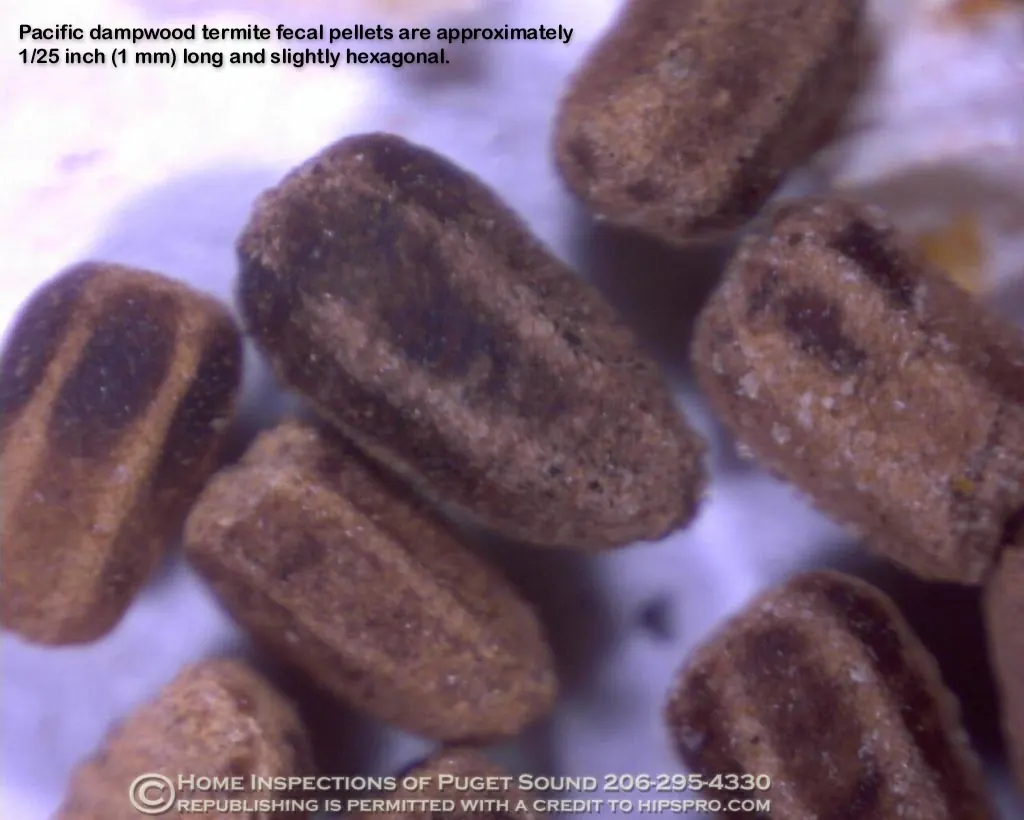
You rarely see the insects. You see the pellets. Drywood pellets have six hexagonal sides and lengthwise ridges. Dampwood pellets are football-shaped and have no ridges.1
Kickout holes are less than 2 mm wide.1 Swarmers fly by day in summer and fall. Dampwood swarmers are larger and come to lights at night.1 For mud tubes, see subterranean termites.
Life cycle
Life cycle of drywood termites
- 1Swarmsummer and fall, by day
- 2Pair enters woodafter the flight
- 3Young colonyslow, takes years
- 4Mature colonyusually under 1,000
Drywood termites start with a flight. Swarmers leave a mature colony in summer and fall, land on dry wood and start a new nest inside it.1
Colonies are usually under 1,000 individuals and can be widely dispersed. They take years to mature.1 That is slower than a subterranean colony, which can reach hundreds of thousands.2
Because they live in the wood they eat, they need no soil and no outside water. That is why they hit attics, eaves and furniture. See the termite hub for how the types differ.
Signs of drywood termites
- Fecal pellets with six sides and ridges.1
- Kickout holes less than 2 mm wide.1
- Shed wings, often on windowsills.1
- Feeding damage in dry wood.1
Pellets alone do not prove the colony is alive. Sweep them from under a kickout hole and look again in a few days. New pellets suggest activity.1 Termites live deep in wood and are rarely seen, so a pro inspection is the real test.1
Risks
Drywood termites are a property pest. Colonies are small, but a house can hold several, and damage adds up over years.1
The sources we used list no health threat from drywood termites. The health risk comes from treatment. Fumigation means everyone, pets and plants must leave for several days.1 Follow the applicator's re-entry instructions.3
Treatment, DIY or pro
UC IPM does not recommend do-it-yourself treatment, and says home-use products are not effective.1
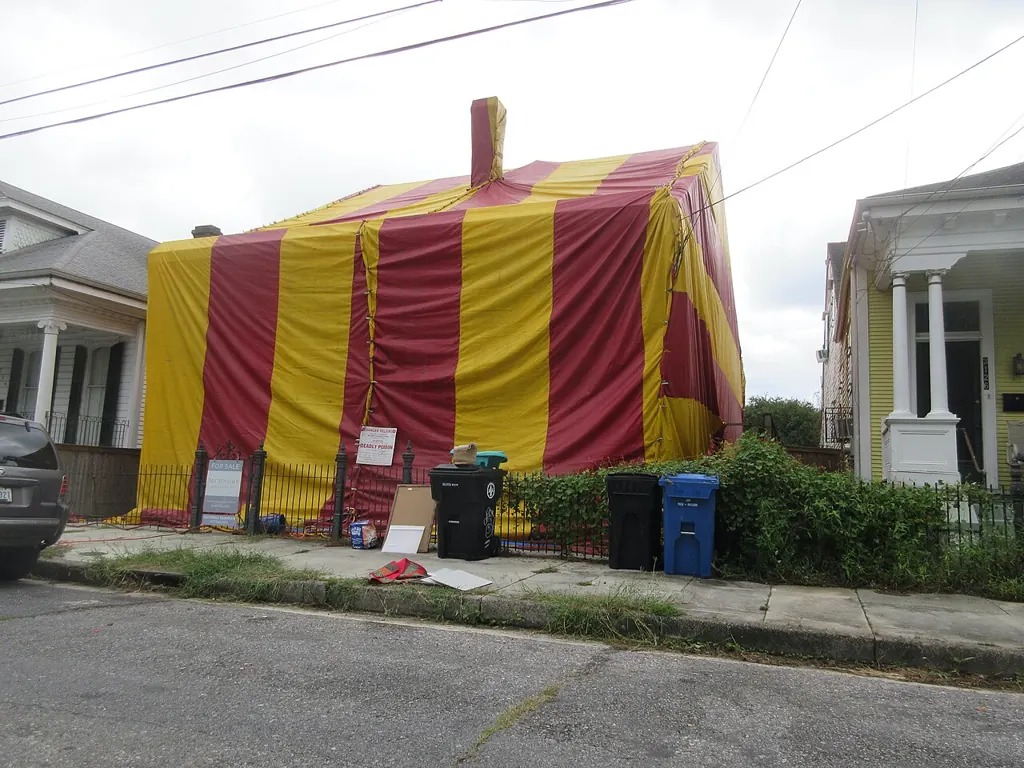
Whole structure. Sulfuryl fluoride fumigation kills termites in several days. Monitored fumigation has the highest success rate. Heat must bring all wood to at least 120 F for at least 33 minutes, and you leave for hours, not days.1
Spot treatment. Licensed applicators use liquids, dusts and foams on a known area. Orange oil and neem oil have been tested, and recent studies question the efficacy of at least d-limonene.1
Ask the pro to name the method, the product and the warranty, and get at least three inspection reports first.1
Cost
Price ranges for drywood termites
- Tent fumigation$1 to $4 per sq ft
- Heat treatment$1 to $4 per sq ft
- Spot or micro treatment$6 to $8 per sq ft
- Inspection$150 to $350 per visit
Fixr lists tent fumigation at $1 to $4 per square foot and heat treatment at $1 to $4 per square foot. Spot, or micro, treatment runs $6 to $8 per square foot.4
A one-time inspection costs $150 to $350.4 Fumigation is priced by the size of the home. Spot treatment is cheaper only if the infestation is small and fully mapped. Pellets in three rooms usually point to a whole-house plan.
Prevention
Season
When drywood termites are active, by month
- Quiet
- Low
- Active
- Peak
OHOhio notes
The Ohio sources we fetched cover the eastern subterranean termite and do not list drywood termites as an Ohio pest.5 Ohio State says swarms come in spring and early summer.5
If you find pellets in Ohio, a licensed company should identify the insect. Ohio applicators need a license from the Ohio Department of Agriculture. Category 10c covers fumigation and category 10b covers termite control.6 Back to the termite hub.
CACalifornia notes
Drywood termites are found along the Pacific coast and extend into the Central Valley and the deserts of Southern California.1 Dampwood termites favor cool, humid areas and the coast and mountain ranges.1
Most lenders require a wood destroying pests and organisms inspection. The Structural Pest Control Board search tool shows whether one was filed in the last two years.7 Get at least three inspection reports before choosing a company.1
Organic or Extermination for Termites
Here is what each way of getting rid of termites looks like, side by side, from university and EPA sources.
Organic and green
- Fix leaks and keep wood out of contact with soil, which takes away what subterranean termites need. 1
- Heat treatment can clear drywood termites with no residue, if the core of every infested board gets hot enough. 2
- Borate wood treatments and spot methods like heat, freezing or microwaves work on the wood they reach. 2
- Orange oil and neem have been tried, but university tests question how well d-limonene works. 2
How well each one works. For subterranean termites there is no organic method that replaces a soil treatment or baits. For drywood termites, heat is a real green choice when the infestation is in reach, and fumigation is the most complete when damage is widespread. Neither heat nor fumigation leaves protection behind. 123
More Termites Guides
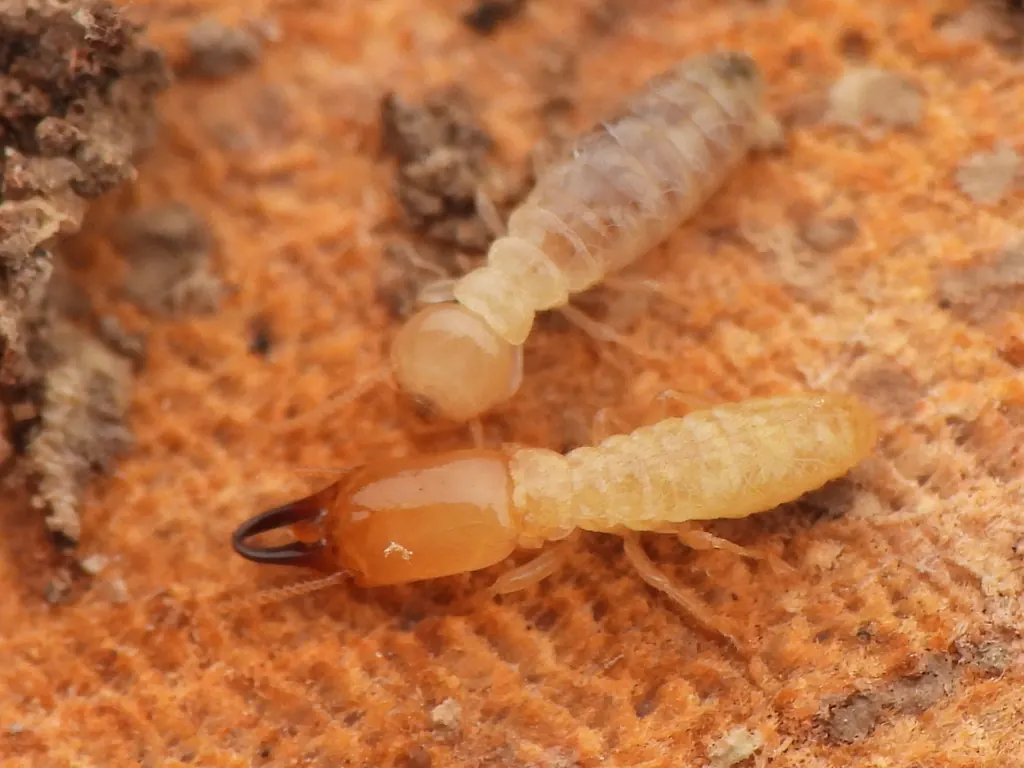 Flying Ants vs TermitesPinch one insect and look.
- Subterranean TermitesSubterranean termites nest in the soil and reach your house through mud tubes on the foundation.
Who Treats Termites Near You
These companies name termites on their own website, the top of the Ohio and California lists. Every other state is linked below. See all 6214 sorted by region.
Ohio
- Names termites on its siteOpen 7 days
- Names termites on its siteSaturdays

- Names termites on its site
- Names termites on its siteSaturdays
- Names termites on its siteSaturdays
- Names termites on its siteSaturdays
California
- Names termites on its site

- Names termites on its siteOpen 7 days
- Names termites on its siteOpen 7 days
- Names termites on its siteOpen 7 days
- Names termites on its siteOpen 7 days
- Names termites on its siteSaturdays
Termites Help in Every State
The notes above cover Ohio and California in detail. Pick your state to see every company there that names termites, sorted by region, with the state’s own license rules in the answers.
- Alabama 113
- Alaska 3
- Arizona 231
- Arkansas 65
- California 810
- Colorado 54
- Connecticut 32
- Delaware 21
- Florida 809
- Georgia 225
- Hawaii 33
- Idaho 13
- Illinois 104
- Indiana 93
- Iowa 39
- Kansas 71
- Kentucky 59
- Louisiana 117
- Maine 3
- Maryland 139
- Massachusetts 110
- Michigan 53
- Minnesota 8
- Mississippi 70
- Missouri 108
- Montana 10
- Nebraska 23
- Nevada 36
- New Hampshire 14
- New Jersey 259
- New Mexico 34
- New York 195
- North Carolina 196
- North Dakota 3
- Ohio 203
- Oklahoma 94
- Oregon 54
- Pennsylvania 109
- Rhode Island 15
- South Carolina 163
- South Dakota 15
- Tennessee 205
- Texas 822
- Utah 69
- Virginia 203
- Washington 62
- Washington DC 5
- West Virginia 13
- Wisconsin 21
- Wyoming 8
Questions People Ask About Drywood Termites
How serious are drywood termites?
They are California's second most important termite pest after subterranean termites. Colonies are small, usually under 1,000 insects, but they take years to mature and can damage a home.1
Is it easy to get rid of drywood termites?
Not by yourself. UC IPM says home-use products are not effective. Pros use fumigation, heat or spot treatments, and monitored fumigation has the highest success rate.1
What is worse, drywood termites or subterranean termites?
In California, subterranean termites are the top termite pest and drywood is second. Subterranean colonies are far larger, but drywood termites live in the wood and need whole-house methods.1,2
What kills drywood termites naturally?
UC IPM says orange oil and neem oil have been tested, and recent studies question the efficacy of at least d-limonene. Heat to 120 F for 33 minutes is a pro option.1
What smell do drywood termites hate?
No fetched source backs a smell that stops them. UC IPM calls home-use products not effective, so rely on a licensed pro.1
How long does it take drywood termites to destroy a house?
No source gives a timeline. Colonies take years to mature and are usually under 1,000 insects. Damage is slow but real, so inspect early.1
Sources
- UC IPM. Pest Notes Drywood Termites
- UC IPM. Pest Notes Subterranean and Other Termites
- US EPA. Termites. How to Identify and Control Them
- Fixr. Termite Treatment Cost
- Ohio State University. Eastern Subterranean Termite, Reticulitermes flavipes
- Ohio State University Extension. Ohio Commercial Pesticide Applicator Requirements
- California Structural Pest Control Board. Wood Destroying Organism System Search
Photo credits
- Drywood termite fecal pellets up close. Photo by JJ Greive of Home Inspections Of Puget Sound, CC BY-SA 3.0, via Wikimedia Commons
- A house tented for drywood termite fumigation. Photo by Infrogmation, CC BY-SA 4.0, via Wikimedia Commons