Ticks and Fleas field guide
Fleas in the House. How to Get Rid of Them for Good
Treat the pet and the house at the same time. Vacuum floors, rugs and furniture daily or every other day for 10 days to 2 weeks.1,2 Use an indoor product with an insect growth regulator, and skip total-release bug bombs.1,2 A professional treatment costs $100 to $450.4
Field guide reviewed October 31, 2026, with 8 cited sources
364 pest companies name ticks and fleas, 120 in Ohio and 244 in California. 364 say so on their own website.
See Who Treats Ticks and FleasHow to identify a flea
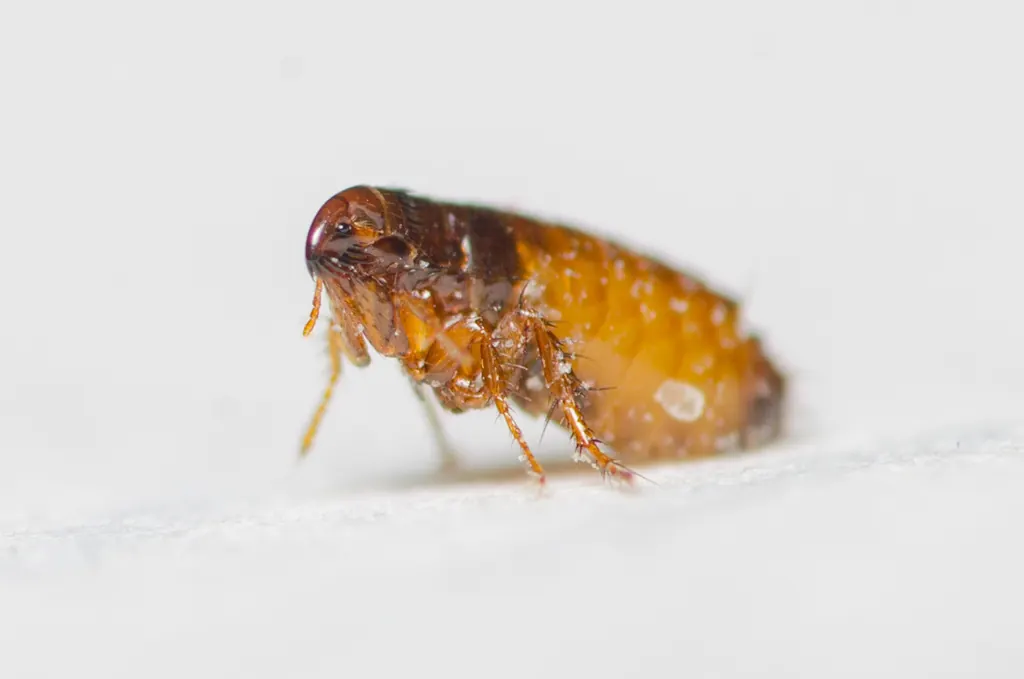
Photo by Justin Williams, CC BY 4.0, via iNaturalist Cat flea
Ctenocephalides felis
- Size
- up to 1/8 in
- Look
- reddish brown, wingless, flattened side to side
- Where
- Homes with pets in Ohio and California
Jumps and runs through fur. It is the most common flea in and around homes.
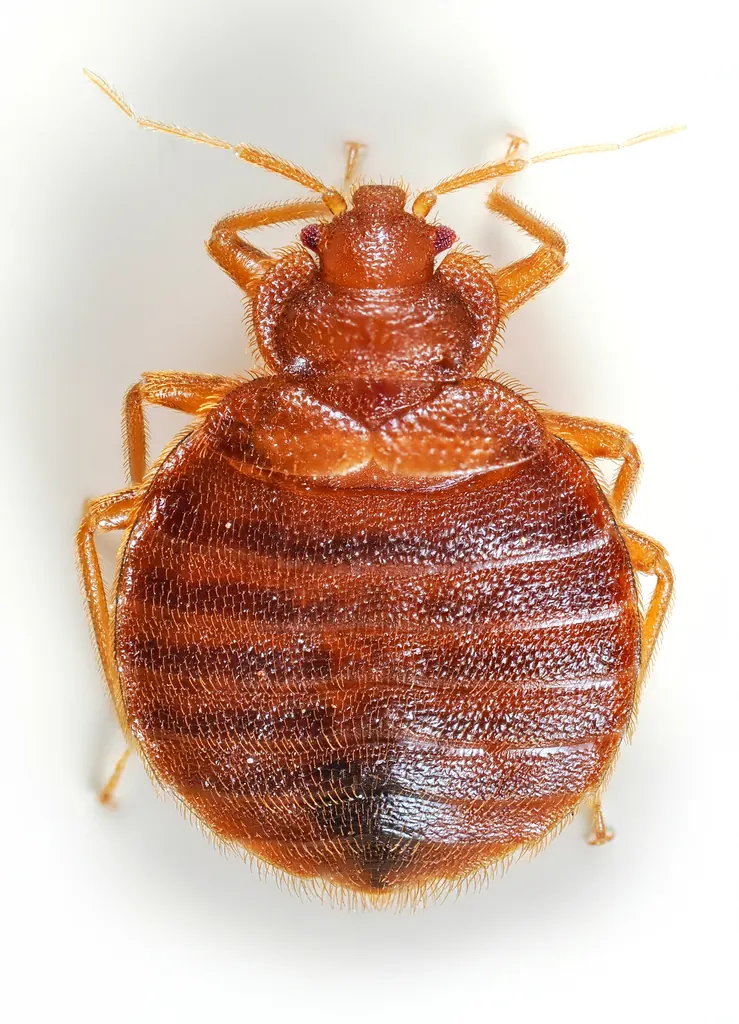
Photo by Gilles San Martin, CC BY-SA 4.0, via iNaturalist Bed bug
Cimex lectularius
- Size
- about 1/5 in
- Look
- rusty red or mahogany, oval and flat-bodied, wingless
- Where
- Within about 6 feet of where people sleep
Hides in mattress seams and bed frames. Fleas live on pets and in pet areas.
Adult fleas are reddish brown, wingless and no more than 1/8 inch long, with a body flattened side to side. Eggs are pearly white and about 1/32 inch. Larvae are hairy, wormlike and up to 3/16 inch.2 The cat flea, Ctenocephalides felis, is the most common flea in and around homes.1
Bites alone do not tell you what you have. Telling flea bites from bed bug bites is difficult to impossible, so find the bugs.8 Bed bugs are about 1/5 inch, rusty red, oval and flat, and they hide within about 6 feet of where people sleep.8
CDC says there are more than 300 flea species in the United States, and only a few affect human health.3 This guide is part of the ticks and fleas hub.
Flea life cycle
Life cycle of fleas
- 1Egghatches in 2 to 5 days
- 2Larva8 to 15 days
- 3Pupacocoon, up to 12 months if cool
- 4Adult30 to 40 days on a host
Fleas run in four stages. Eggs hatch in about 2 to 5 days. Larvae feed and crawl for 8 to 15 days, then spin cocoons. The whole cycle takes about 18 days at room temperature.2 Larvae grow fastest at 70 to 90 degrees F and need at least 75 percent humidity.2
A female lays about 20 to 50 eggs a day.2 Ohio State says up to 600 in a lifetime.1 Adults usually live 30 to 40 days on a host.2
The cocoon is the trap. In cool conditions, fully formed fleas can wait inside for up to 12 months.2 Ohio State says pupae stay in the cocoon until they sense a host, so an empty house can still wake up the day a pet walks in.1
That is why treating the pet alone fails.
Signs of fleas in the house
Check the pet first, then the floor.
- Pets scratching or biting at their legs, belly or back.1
- Black specks in the fur that turn red when moistened. This is flea dirt.1
- Fleas moving through fur, especially at the shoulder blades and tail base.1
- Small red spots with a red halo on your skin. Itching can last up to 5 days after a bite.2
- Fleas jumping onto white socks pulled up to the knee when you walk through a pet resting area.2
A flea comb helps remove adults and tells you whether the problem is active.2
Health risks from fleas
For most people fleas are an itch problem. Bites cause discomfort, itching and irritation.3 For pets, they can cause flea allergy dermatitis with intense itching, hair loss and skin infection, and in extreme cases anemia.1,2
Fleas can spread germs too. In California, cat fleas can transmit a disease like murine typhus, with headache, chills, fever, vomiting and rash. Ground squirrel fleas are the plague vector in the state.2 CDC says most U.S. murine typhus cases come from California, Texas and Hawaii.3
Cat scratch disease can spread when germs in flea feces enter a scratch.3 Tapeworms can pass to pets and people who swallow an infected flea, and small children face higher risk since they spend more time near the floor.3
See a vet for any pet with heavy scratching.
Getting rid of fleas
Do these at the same time or the fleas win.
- Treat the pets with a vet-approved product made for that animal. Never put permethrin or amitraz products on cats.1,2
- Vacuum floors, rugs, furniture and crevices daily or every other day, and keep going for 10 days to 2 weeks after treatment.2
- Wash bedding and treat pet resting areas, baseboards and carpet with a product that includes an insect growth regulator, such as methoprene or pyriproxyfen.2
- Skip total-release foggers.1
- Do not retreat for several weeks, because sprays do not kill pupae and fleas keep emerging for about 2 weeks.2
Outdoors, spray only if you find many adults, and target pet resting spots such as doghouses and under decks.2 Call a pro if the fleas return after a full cycle or you have wild animals under the house.
Flea control cost
Price ranges for fleas
- Whole-house treatment$100 to $450 per treatment
- Chemical spray$175 to $380 per bedroom
- Heat treatment$350 to $450 per bedroom
- Follow-up visit$100 to $200 each
- Pet flea treatment, store bought$30 to $50 per pet
A flea treatment for a whole house averages about $250 and ranges from $100 to $450. A one-time visit runs $100 to $400, and follow-up treatments cost $100 to $200 each. Inspections run $50 to $200 and may be credited toward the treatment.4
By method, a chemical spray runs $175 to $380 per bedroom, heat treatment $350 to $450 per bedroom, and fumigation $528 to $1,056 per bedroom. Severe infestations can top $1,000.4 A pet-only flea treatment from the store runs $30 to $50.4
Severity, the method, follow-ups and where the fleas live set the price. Fleas in walls, under floors or in vents cost more than fleas in carpet.4 Ask if one follow-up visit is in the quote.
Keeping fleas out
Cut off the host and the hiding places.
- Keep pets on regular flea preventive from your vet.1
- Vacuum often where pets sleep and wash their bedding.2
- Open outdoor pet sleeping areas to sunlight, since immature fleas rarely survive in sun.2
- Limit food, water and shelter for feral cats, opossums, squirrels and coyotes near the house.2
- Seal vents, chimneys and crevices where rats, mice and other mammals could get into crawlspaces.1
- Mow and sweep porches before you treat the yard.1
When fleas are active
When fleas are active, by month
- Quiet
- Low
- Active
- Peak
Fleas love warm, humid weather. Ohio State puts ideal conditions at 70 to 85 degrees F and 70 percent humidity, and says to treat pet-frequented outdoor areas in summer.1
In California, flea numbers rise sharply in spring and early summer. Outdoor flea numbers are highest in coastal areas and in shaded, protected spots in the Central Valley.2
Indoors, the calendar matters less. Pupae stay in the cocoon until they sense a host, so a home can see fleas in any month.1
OHFleas in Ohio
Ohio State's fleas fact sheet says the cat flea is the most common flea in and around homes and its plan is simple. Treat pets and the premises at the same time, vacuum, and skip bug bombs.1 Effective indoor products usually combine a pyrethroid with an insect growth regulator.1
Seal vents, chimneys and crevices so rats, mice and other mammals do not move into crawlspaces.1
Ohio law requires pest management companies to be licensed through the Ohio Department of Agriculture. Ask for the license, proof of insurance and workers' compensation, and get at least three bids.5 Check the ticks and fleas hub if ticks come in on the same pet.
CAFleas in California
Cat fleas are the common species in California and bite people as well as dogs and cats.2 Many field populations resist pyrethroids such as permethrin, so look for insect growth regulators in your products.2
Carbaryl has been a restricted-use material in California since August 1, 2020, so it needs a valid applicator's license.2 Some products are only available to licensed pesticide applicators.2
Pest companies are licensed by branch. Branch 2 covers household pests without fumigation.6 Use the Board's online services to verify a company or an individual before you sign.7
More Ticks and Fleas Guides
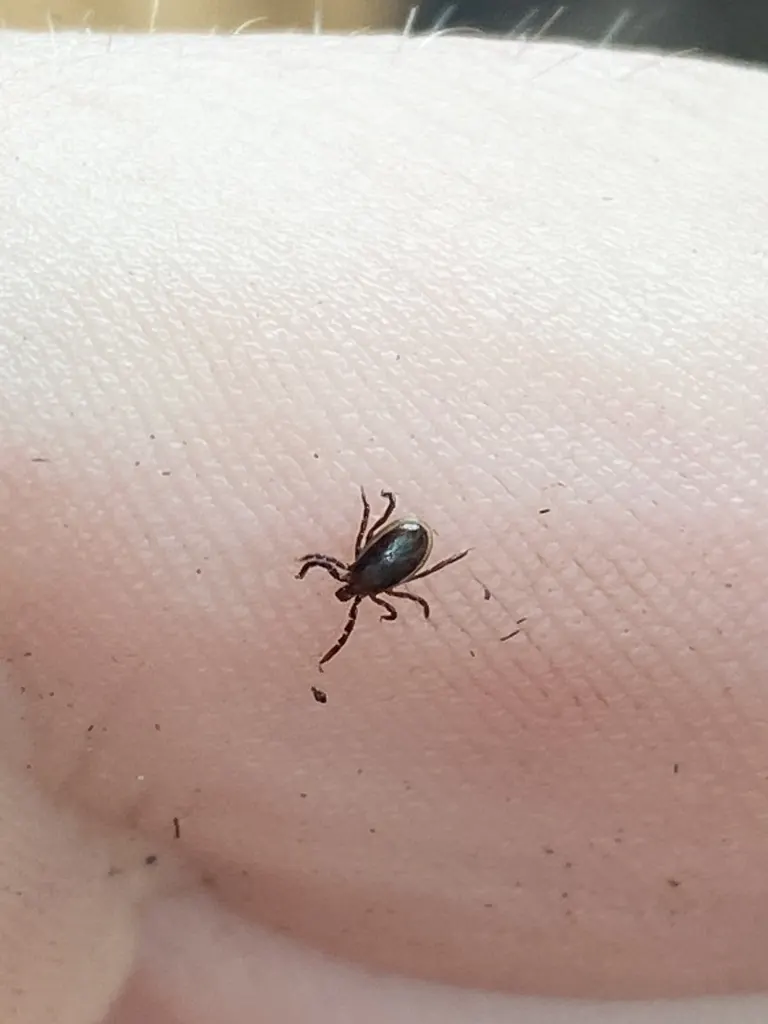 Blacklegged TicksDeer ticks, also called blacklegged ticks, spread Lyme disease.
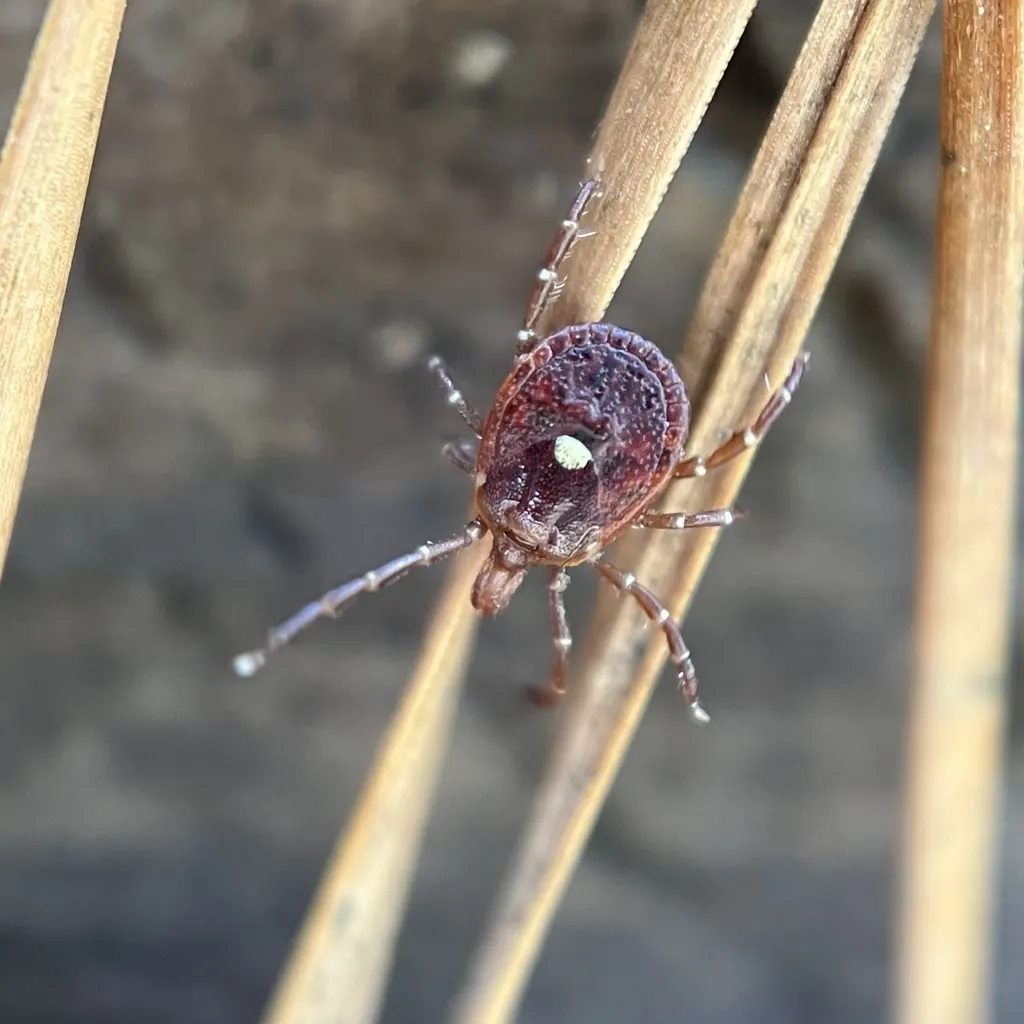 Lone Star TicksThe lone star tick is an aggressive biter found in the Northeast, South and Midwest.
Read the full ticks and fleas guide
Who Treats Ticks and Fleas Near You
These companies name ticks and fleas on their own website, the top of each state list. See all 364 sorted by region.
Ohio
- Names ticks on its siteOpen 7 days
Bayer Pest Control
4.9 from 53 reviews - Names ticks on its siteSaturdays

Expert Pest Management
4.9 from 159 reviews - Names ticks on its site
Crago's Pest Solutions and Home Inspections, LLC
5.0 from 4 reviews - Names ticks on its siteSaturdays
Expert Pest Management
4.0 from 3 reviews - Names ticks on its siteSaturdays
Expert Pest Management
5.0 from 2 reviews - Names ticks on its siteSaturdays
Expert Pest Management
5.0 from 1 reviews
California
- Names ticks on its site

Newport Exterminating
4.9 from 516 reviews - Names ticks on its siteOpen 7 days

Legacy Pest Management
5.0 from 54 reviews - Names ticks on its siteOpen 7 days

Dan's Pest Management Inc.
4.9 from 223 reviews - Names ticks on its siteSaturdays
Versa-Tech Pest Management
4.9 from 48 reviews - Names ticks on its siteOpen 7 days
The Termite Inspectors of Tustin
5.0 from 16 reviews - Names ticks on its siteOpen 7 days

Dewey Pest & Termite Control
4.8 from 910 reviews
Questions People Ask About Fleas
How do you get rid of fleas?
Treat every pet with a vet-approved product, vacuum daily or every other day for 10 days to 2 weeks, wash bedding, and treat carpets and pet areas with a product that includes an insect growth regulator.1,2
What do fleas look like?
Adult fleas are reddish brown, wingless and no more than 1/8 inch long. The body is flattened side to side. Larvae are up to 3/16 inch long, hairy and wormlike, without eyes or legs.2
What is the lifespan of a flea?
Adults usually live 30 to 40 days on a host. The full life cycle takes about 18 days at room temperature, and cocoons can hold fully formed fleas for up to 12 months in cool conditions.2
Can humans carry fleas?
Fleas prefer animals but bite people when animals are not around. Cat fleas bite people in California, and CDC lists the cat flea as one of the few fleas that affect human health.2,3
What kills fleas instantly in a house?
Nothing does. Sprays do not kill pupae, so fleas keep emerging for about 2 weeks. For a pet, the oral drug nitenpyram knocks down fleas within 30 minutes and lasts about 48 hours.2
Sources
- Ohio State University Extension. Fleas
- UC IPM. Fleas
- CDC. About Fleas
- Today's Homeowner. Flea Exterminator Cost
- Ohio State University Extension. Choosing a Pest Management Company
- California Structural Pest Control Board. Licensee Types and Branches
- California Structural Pest Control Board. Online Services
- UC IPM. Pest Notes Bed Bugs