Bees, Wasps and Hornets field guide
Yellowjackets in Ohio and California. What to Do About Them
Yellowjackets are 1/2 to 1 inch long wasps with bright yellow and black bands and a very short waist.1 They nest in the ground, in wall voids and in trees, and they sting to defend the nest.2 Ohio State strongly recommends a professional for nest removal.2 Part of a wider group, see bees, wasps and hornets.
Field guide reviewed October 31, 2026, with 7 cited sources
3,145 pest companies name bees, wasps and hornets across 51 states and Washington DC, 168 in Ohio and 405 in California. 3,104 say so on their own website.
See Who Treats Bees, Wasps and HornetsHow to identify a yellowjacket
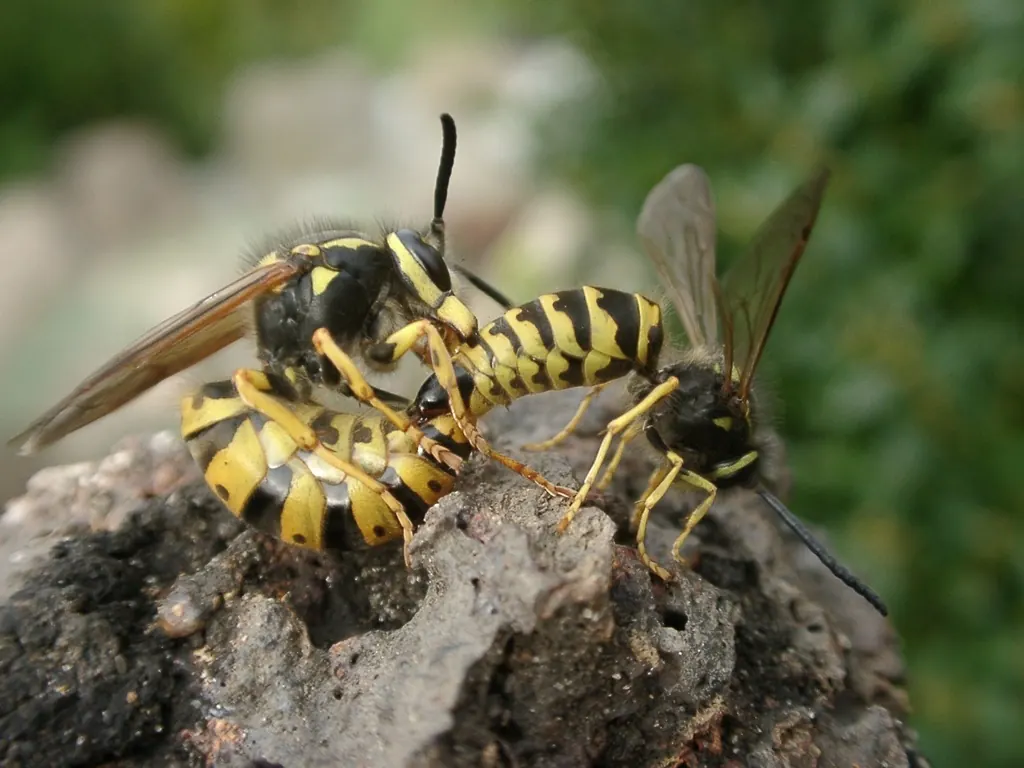
Photo by Grzegorz Grzejszczak, CC BY-SA 4.0, via iNaturalist German yellowjacket
Vespula germanica
- Size
- 1/2 inch workers, 3/4 inch queens
- Look
- hard, shiny, mostly hairless body with black and yellow bands
- Where
- Main species in Ohio, and increasingly common in California cities
It often nests inside houses and wall voids, and most commercial traps do not attract it.
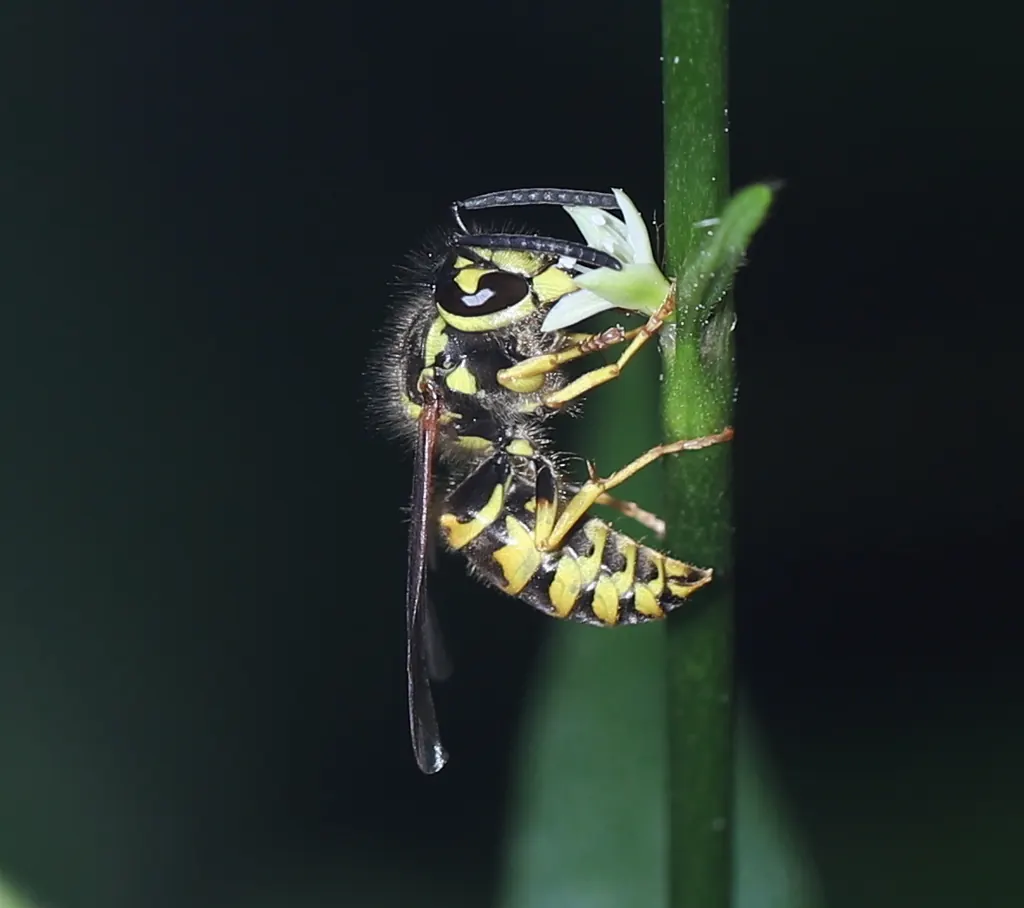
Photo by Steven Bodzin, CC BY 4.0, via iNaturalist Eastern yellowjacket
Vespula maculifrons
- Size
- about 1/2 inch
- Look
- black and yellow bands with a short, narrow waist
- Where
- Native to Ohio
The nest is underground, usually started in an old animal burrow.
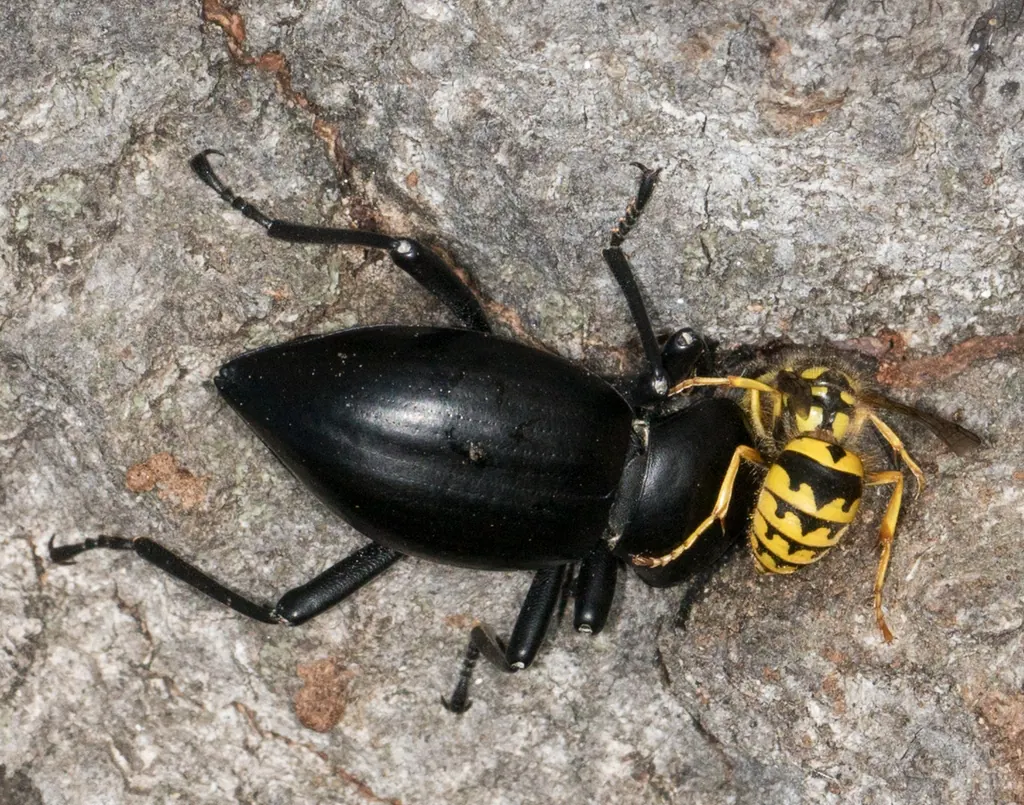
Public domain photo, CC0, via iNaturalist Western yellowjacket
Vespula pensylvanica
- Size
- 1/2 to 1 inch
- Look
- bright yellow and black bands
- Where
- The most common yellowjacket in California
Nicknamed the meat bee, it nests mainly in the ground.
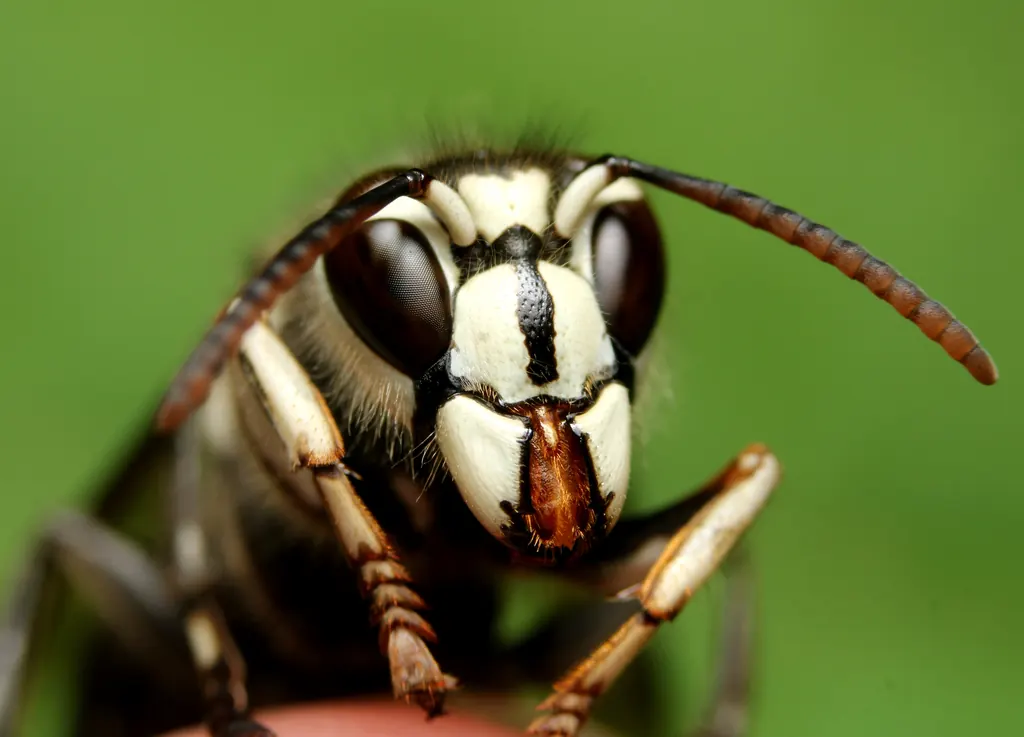
Photo by Zachary Dankowicz, CC BY 4.0, via iNaturalist Bald-faced hornet
Dolichovespula maculata
- Size
- about 7/8 inch
- Look
- black body with white or cream markings
- Where
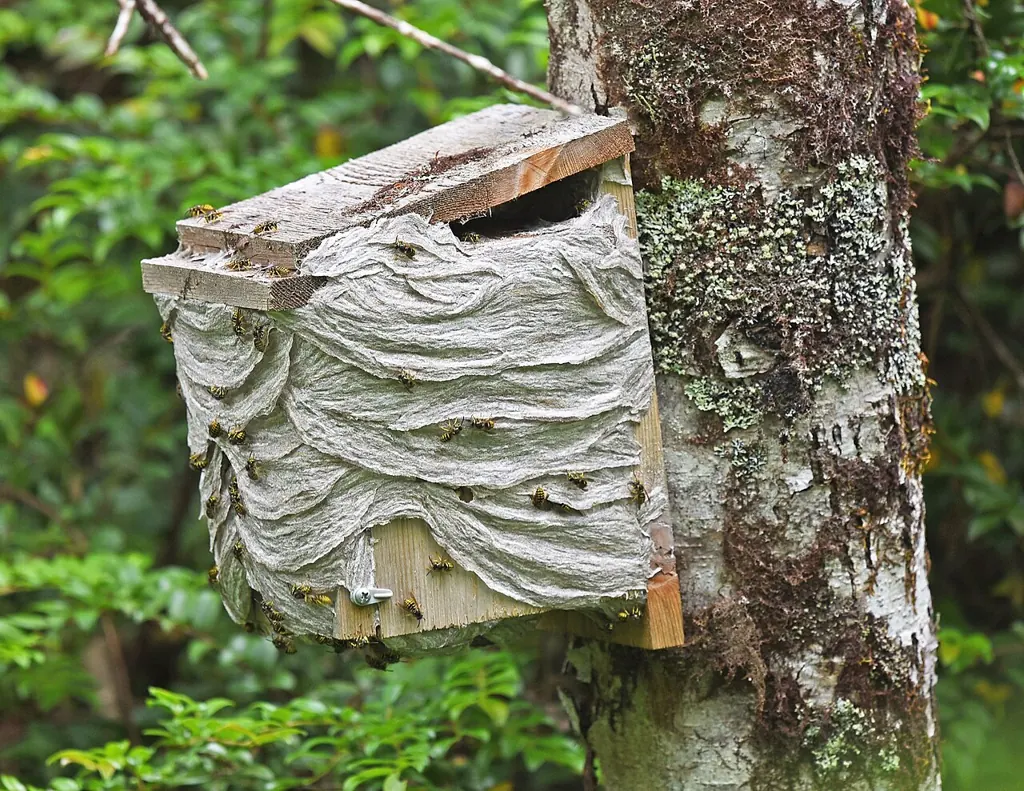
- Open nests in trees, shrubs and buildings
Black and white instead of yellow, with a hanging nest in plain view.
Yellowjackets are 1/2 to 1 inch long with bright yellow and black bands and a very short, narrow waist.1 Ohio State describes workers at about 1/2 inch and queens at about 3/4 inch, with hard, shiny, mostly hairless bodies.2
That separates them from honey bees, which are hairier and less brightly striped.1 Paper wasps are slimmer, with long legs and a thin waist.1 The bald-faced hornet is a black and white relative that builds an open nest.3
Look at the nest too. A yellowjacket nest is wood fiber and saliva, closed on every side except a small opening at the bottom, and it can have 10 or more tiers of combs inside.2 Compare the photos above, and see the main wasp guide for the other look-alikes.
Yellowjacket life cycle
Life cycle of yellowjackets
- 1Queen wakesApril and early May in Ohio
- 2First workerslarvae fed about 18 to 20 days
- 3Colony growsspring to midsummer
- 4Peak colonyAugust to late September
- 5New queens and maleslast generation of the year
- 6Nest dieswhen cold weather arrives
One fertilized queen survives the winter in a protected spot and comes out in April and early May in Ohio.2 She feeds her first larvae for about 18 to 20 days, and they become workers.2 In California queens appear from late winter to early spring.1
Workers hunt other insects for protein through spring and midsummer.1 Colonies reach about 4,000 to 5,000 workers and 10,000 to 15,000 cells by August and late September in Ohio.2 UC IPM says colonies can reach between 1,500 and 15,000 wasps, depending on species.1
The last generation is new queens and males. When cold weather arrives, the old queen, the workers and the males die.2 In very mild winters and coastal areas south of San Francisco, some California colonies last several years.1
Signs of a yellowjacket nest
- A steady line of wasps going into one hole in the lawn, a mulch bed or a rotted stump.2
- Wasps going in and out of a crack in siding, a soffit or a gap near a window. Wall and ceiling voids are common nest sites.2
- A gray paper nest with a small opening at the bottom, hanging from an eave or branch.1
- Wasps swarming around pop cans, trash and pet food from August to October.2
- A scratching or buzzing sound in a wall, or wasps showing up inside the house.2
Ground nests often start in an abandoned mammal burrow.3 Walk the yard with your eyes on the ground, not your hands.
Sting risks
Yellowjackets sting mostly to defend the nest, but they will also sting when trapped or squeezed.2 The stinger has no barbs, so a single wasp can sting repeatedly, especially inside clothing.1
Many stings can hurt the kidneys, because venom enzymes and tissue debris can block them.1 One to two people in 1,000 are allergic to bee or wasp stings.4 Watch for hives, dizziness, trouble breathing or a swollen throat.4
Ohio State says use an ice pack in 10 minute rounds and take an antihistamine.2 Go to the emergency room if you had a past allergic reaction, have trouble breathing or swallowing, or feel confused or faint.2 See a doctor if you were stung more than 10 times or in the mouth or around the eyes.2
Do not squash a wasp near you. It sends out an alarm scent that draws more of them.2
Treatment. DIY or professional
Ohio State strongly recommends a professional to kill and remove the nest.2 A nest underground or in a wall is the worst kind to try alone. UC IPM says underground nests may reach well past the visible hole, and agitated wasps may be around the next day.1
What a pro does is simple. For a ground nest, puff insecticidal dust into the entrance at sunrise. For a wall void, run an aerosol wand in for 10 to 30 seconds and leave the opening unplugged.2 Treating at dawn works because wasps are sluggish.2
Traps help with the numbers, not the nest. Lure traps with heptyl butyrate attract mainly western yellowjackets.1 Most commercial traps do not attract German yellowjackets.2 Poison bait stations are gone from the market.1
Ask for the species found, the product used, and whether a re-treatment is included if wasps return.
What yellowjacket removal costs
Price ranges for yellowjackets
- Yellowjacket nest, average$725 per job
- Typical wasp nest job$212 to $875 per job
- Nest in a wall$350 to $875 per job
- Low outdoor or ground nest$300 average
- DIY spray, dust and suit$57 to $227 total kit
One national guide averages $725 for yellowjacket removal, the highest of any wasp it lists. Paper wasps average $385 and hornets $450.5 The reason is the nest. Yellowjackets nest underground, which costs more.5
Where the nest sits moves the price. Low outdoor nests average about $300. Attic nests run $325 to $450, wall nests $350 to $875 and chimney nests $475 to $600.5
By method, aerosol averages $125, dusting $200 and vacuuming $250. Larger nests cost about $500 and can reach $1,110.5
A do-it-yourself kit of wasp spray, dust and a bee suit runs $57 to $227.5 Carpentry after a wall job runs about $70 per hour.5 Prices are national, so ask for local quotes.
How to prevent yellowjackets
- Keep trash cans covered and clean, and empty them often.2
- Cover food, pet food and drinks, and clear dirty dishes fast. Check a can before you drink.2
- Keep screens in good repair.2
- Pick picnic spots away from trash and dumpsters.2
- Pick up ripe or fallen fruit.1
- Do not swat. Walk away calmly. If you disturb a nest, protect your face and run.2
- Watch for ground nests in tall grass and mulch beds, and never mow over one.2
Once wasps find food they keep coming back to that spot, so remove the source.1
When yellowjackets are worst
When yellowjackets are active, by month
- Quiet
- Low
- Active
- Peak
Nests start small and quiet in spring, so you rarely notice them. Ohio State says colonies peak from August to late September, with 5,000 or more workers.2,3
From August to October the wasps shift from protein to sweets, and that is when they ruin cookouts, trash runs and fruit picking.2 UC IPM describes the same pattern in California, with scavenging and defensiveness rising through fall.1
Cold weather ends the colony in Ohio.2 In California, mild winters and coastal areas can let some colonies survive.1 UC IPM says homemade water traps work best as queen traps in late winter to early spring.1
OHOhio notes
The German yellowjacket first appeared in Ohio in 1975 and is now the dominant yellowjacket. The eastern and common yellowjackets are native.2 German and common yellowjackets nest underground, in hollow trees, in rock crevices and in building crevices. Eastern yellowjackets nest underground.3
Ohio State Extension tells homeowners not to declare war unless a nest is a serious sting hazard, since each nest dies out.3 For nests that are a hazard, it strongly recommends hiring a pro.2
In Ohio, a person who applies pesticides to someone else's property for pay needs a commercial applicator license from the Ohio Department of Agriculture.6 Category 10a covers general pest control, and exams need a 70 percent score.6 Ask to see the card and the business license.
CACalifornia notes
The western yellowjacket is the most common in California, and it nests mainly in the ground.1 The German yellowjacket is increasingly common in cities and often nests inside houses.1 Another yellowjacket, Vespula vulgaris, nests in rotted tree stumps at higher elevations.1
If the nest is far away, hard to find or underground, UC IPM points to your local Mosquito and Vector Control District, which may remove nests, or a licensed pest control operator.1
The California Structural Pest Control Board has a Verify a Company or Licensee page. Use it before you hire.7 Late summer and fall bring the most calls, as growth slows and wasps look for sugar.1
Organic or Extermination for Bees, Wasps and Hornets
Here is what each way of getting rid of bees, wasps and hornets looks like, side by side, from university and EPA sources.
Organic and green
How well each one works. Traps lower the number of yellowjackets but do not end a nest. Treating the nest itself is what ends it, and for a nest in the ground or a wall that is usually a pro with an insecticide. Honey bees are different. Call a beekeeper or a live removal company first. 123
- UC IPM, Pest Notes Yellowjackets and Other Social Wasps
- UC IPM, Pest Notes Bee Swarms and Established Hives
- Ohio State University Extension, Yellowjackets HYG-2075
More Bees, Wasps and Hornets Guides
- Bald-faced HornetsThe bald-faced hornet is a black wasp about 7/8 inch long with white or cream on the face and tail end.
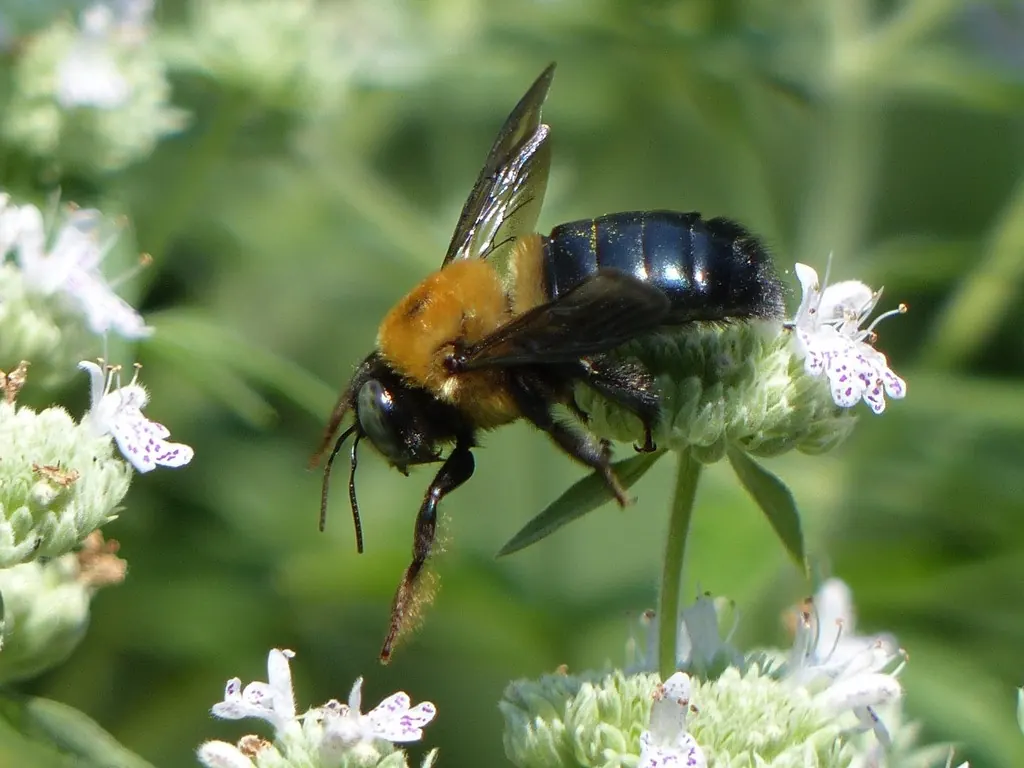 Carpenter BeesCarpenter bees are large, bumble bee lookalikes with a bare, shiny black abdomen that drill round holes about
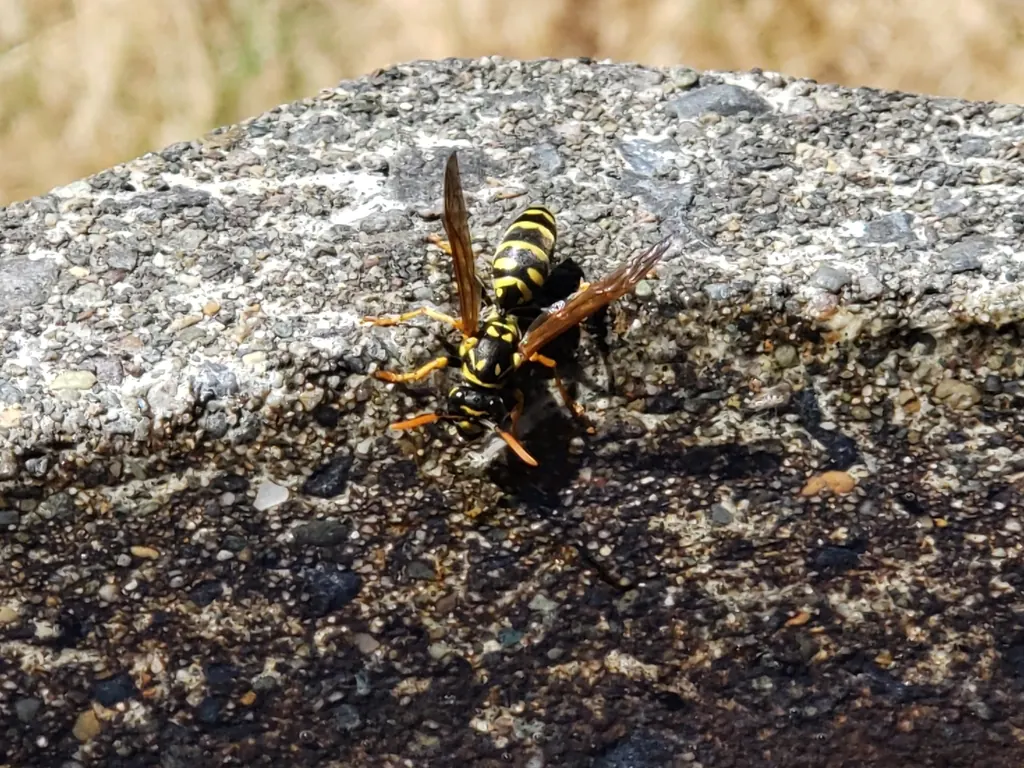 Paper WaspsPaper wasps are slender, long-legged wasps about 1 inch long that hang an open, umbrella-shaped nest under eav
Read the full bees, wasps and hornets guide
Who Treats Bees, Wasps and Hornets Near You
These companies name bees, wasps and hornets on their own website, the top of the Ohio and California lists. Every other state is linked below. See all 3145 sorted by region.
Ohio
- Names wasps on its siteOpen 7 days
- Names wasps on its siteSaturdays
- Names wasps on its site
- Names wasps on its siteSaturdays
- Names wasps on its siteSaturdays
- Names wasps on its siteSaturdays
California
- Names wasps on its site

- Names wasps on its siteOpen 7 days
- Names wasps on its siteOpen 7 days
- Names wasps on its siteSaturdays
- Names wasps on its siteOpen 7 days
- Names wasps on its siteOpen 7 days

Bees, Wasps and Hornets Help in Every State
The notes above cover Ohio and California in detail. Pick your state to see every company there that names bees, wasps and hornets, sorted by region, with the state’s own license rules in the answers.
- Alabama 36
- Alaska 4
- Arizona 108
- Arkansas 8
- California 405
- Colorado 71
- Connecticut 20
- Delaware 10
- Florida 255
- Georgia 66
- Hawaii 4
- Idaho 70
- Illinois 85
- Indiana 65
- Iowa 22
- Kansas 18
- Kentucky 20
- Louisiana 32
- Maine 10
- Maryland 79
- Massachusetts 88
- Michigan 81
- Minnesota 25
- Mississippi 15
- Missouri 35
- Montana 18
- Nebraska 10
- Nevada 47
- New Hampshire 19
- New Jersey 135
- New Mexico 18
- New York 149
- North Carolina 65
- North Dakota 6
- Ohio 168
- Oklahoma 26
- Oregon 78
- Pennsylvania 50
- Rhode Island 5
- South Carolina 49
- South Dakota 7
- Tennessee 42
- Texas 263
- Utah 87
- Vermont 4
- Virginia 90
- Washington 123
- Washington DC 3
- West Virginia 3
- Wisconsin 41
- Wyoming 7
Questions People Ask About Yellowjackets
What are the differences between a hornet and a yellowjacket?
Yellowjackets are 1/2 to 1 inch long with yellow and black bands.1 The only true hornet in Ohio is the European hornet, and the bald-faced hornet is really a yellowjacket relative.3
What to do if you get stung by a yellow jacket?
Walk away, wash the area, and use an ice pack in 10 minute rounds plus an antihistamine.2 Get medical care for more than 10 stings, stings in the mouth or around the eyes, or any trouble breathing or swallowing.2
What calms down a wasp sting?
A cold compress and an oral or topical antihistamine ease pain, itching and swelling.4 Do not scratch, because that can bring in microbes and infection.4 A sting on the neck or mouth needs medical help right away.4
What are the stages of the life cycle of a wasp?
A queen starts the nest in spring and feeds larvae for about 18 to 20 days until they become workers.2 The colony grows through summer and then makes new queens and males. Only mated queens survive winter.2
Do yellowjackets nest in the ground?
Yes, often. Many Ohio yellowjackets nest underground, usually in an abandoned animal burrow.3 Nests are also found in rotted trunks, thick mulch, wall voids and ceilings.2
Can yellowjackets sting more than once?
Yes. The stinger has no barbs, so a yellowjacket can sting again and again, especially if it gets inside clothing.1 Honey bees are different, since their barbed stinger usually stays in the skin.4
Sources
- UC IPM. Pest Notes Yellowjackets and Other Social Wasps
- Ohio State University Extension. Yellowjackets HYG-2075
- Ohio State BYGL. A Stinging Commentary on Wasps, Yellowjackets, and Baldfaced Hornets
- UC IPM. Pest Notes Bee and Wasp Stings
- Lawn Love. How Much Does Wasp Nest Removal Cost
- Ohio State CFAES. Ohio Commercial Pesticide Applicator Requirements
- California Structural Pest Control Board. Structural Pest Control Board home page
Photo credits
- Eastern yellowjacket. Photo by Steven Bodzin, CC BY 4.0, via iNaturalist
- Western yellowjacket. Public domain photo, CC0, via iNaturalist