Ticks and Fleas field guide
Deer Ticks and Lyme Disease. Identify, Remove, Prevent
Deer ticks, also called blacklegged ticks, spread Lyme disease. Ohio has Ixodes scapularis, and California has the western blacklegged tick, Ixodes pacificus.1,7 Pull an attached tick straight out with fine-tipped tweezers, because Lyme bacteria usually need about a day of feeding to pass on.4,7 Watch for a rash 3 to 30 days after the bite.3
Field guide reviewed October 31, 2026, with 12 cited sources
2,272 pest companies name ticks and fleas across 51 states and Washington DC, 120 in Ohio and 244 in California. 2,272 say so on their own website.
See Who Treats Ticks and FleasHow to identify a blacklegged tick
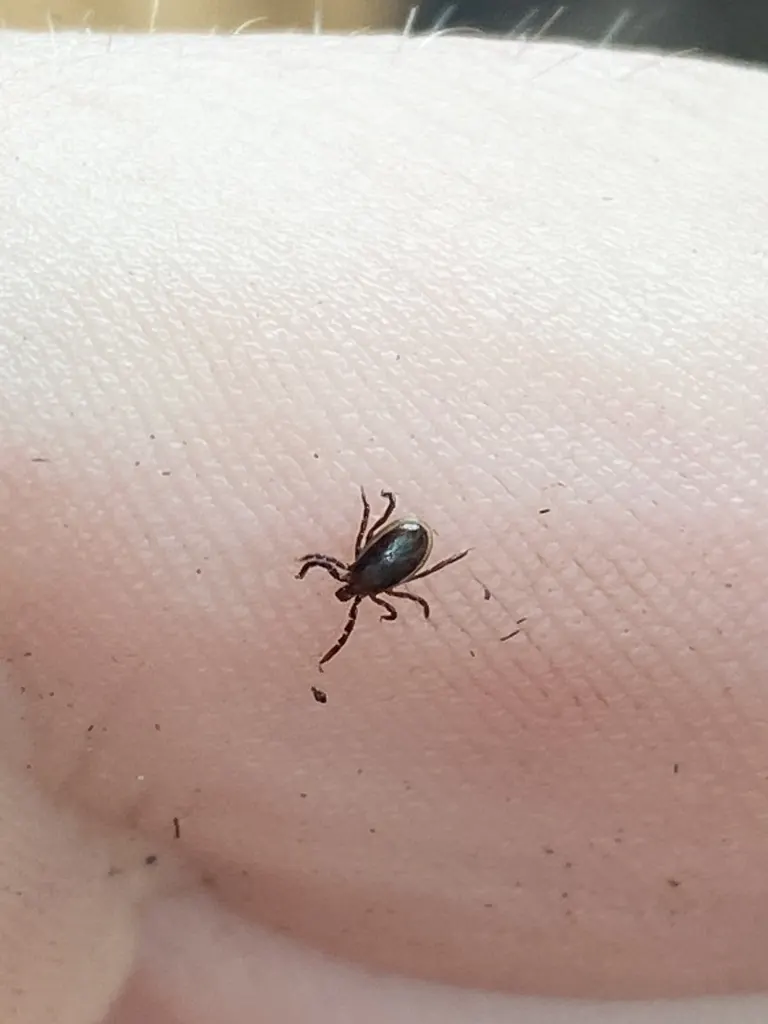
Photo by Hayes Valentine, CC BY 4.0, via iNaturalist Blacklegged tick
Ixodes scapularis
- Size
- male just over 1/16 in, unfed female about 3/32 in
- Look
- tiny tick of forested areas
- Where
- Eastern US, most common in eastern and southern Ohio
Smaller than the American dog tick. This is the Ohio Lyme tick.
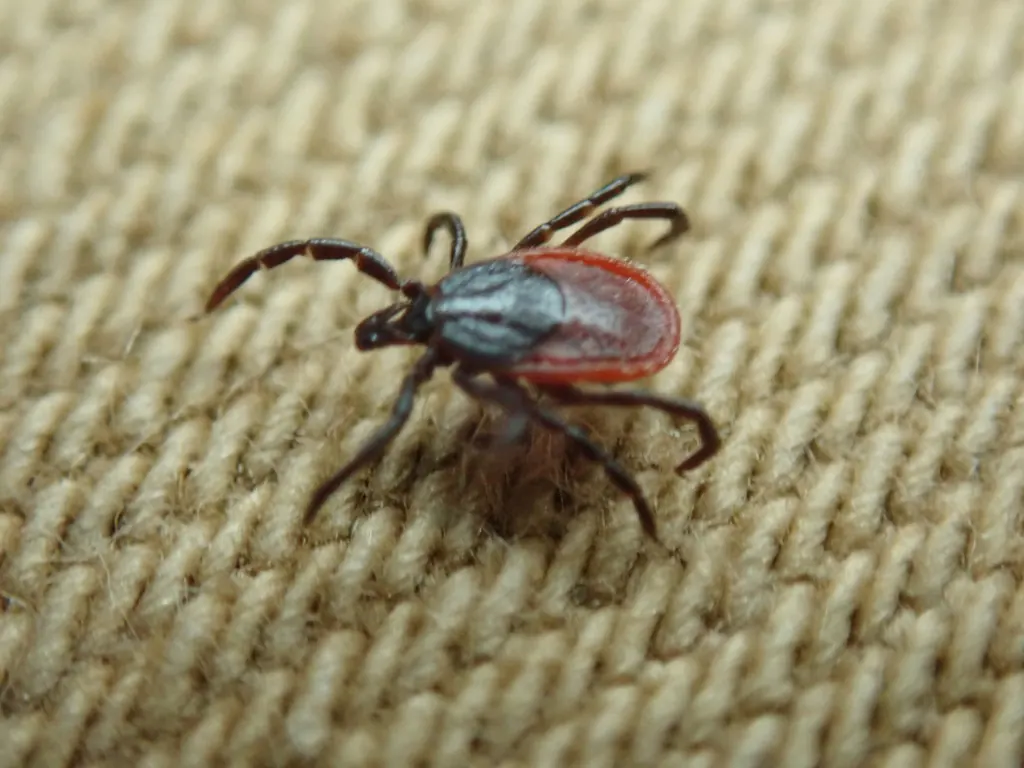
Public domain photo, CC0, via iNaturalist Western blacklegged tick
Ixodes pacificus
- Size
- nymph 1/25 in, adult female 1/8 in
- Look
- dark plate on the back, reddish-orange abdomen on the adult female
- Where
- California and the Pacific coast
The eastern species does not occur in California. This is the California Lyme tick.
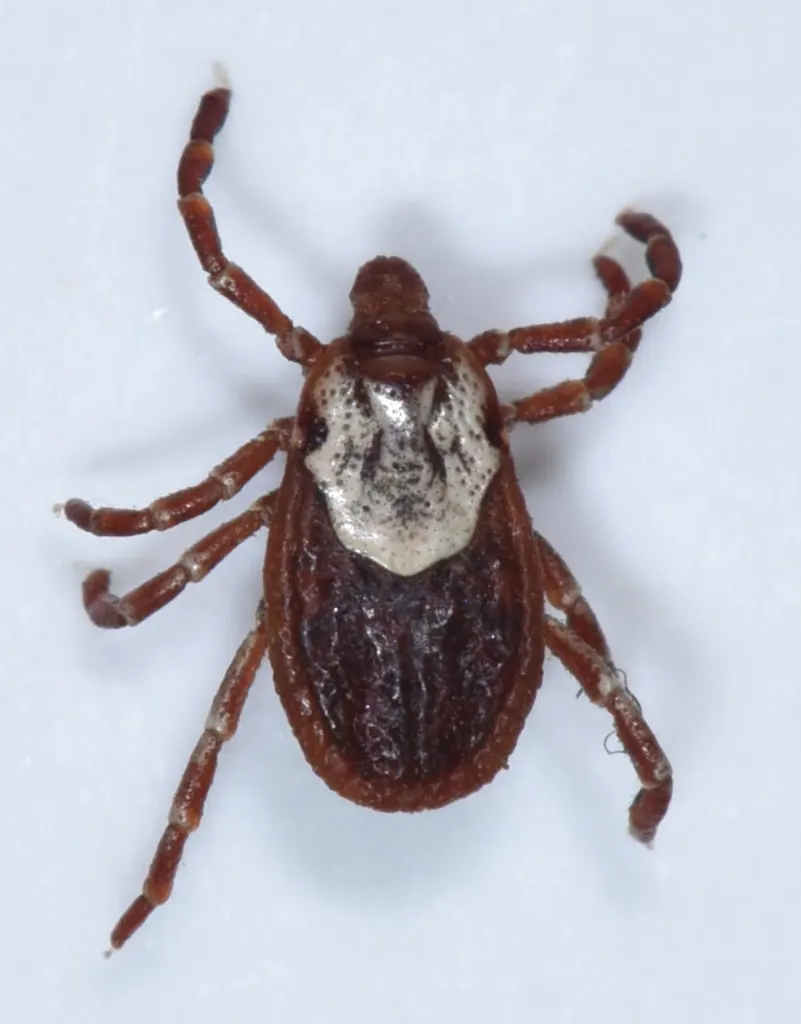
Photo by Don Loarie, CC BY 4.0, via iNaturalist American dog tick
Dermacentor variabilis
- Size
- adult about 3/16 in
- Look
- the most commonly found tick in Ohio
- Where
- Statewide in Ohio
Carries Rocky Mountain spotted fever and tularemia, not Lyme.
Blacklegged ticks are small. In Ohio an adult male is just over 1/16 inch and an unfed female is about 3/32 inch.1 Nymphs are under 2 mm and hard to see.2 The Ohio species is Ixodes scapularis, the blacklegged or deer tick, found across the eastern half of the country.8
California has a different tick, the western blacklegged tick, Ixodes pacificus. The unfed nymph is about 1/25 inch, the size of a poppy seed. An unfed adult female is about 1/8 inch with a reddish-orange abdomen and a dark plate on the back.6 The eastern species does not occur in California.6
The larger tick you find on the dog is likely an American dog tick. Compare the two in the ticks and fleas hub.
Deer tick life cycle
Life cycle of blacklegged ticks
- 1Egg900 to 1,000 in California, about 2,000 in Ohio
- 2Larvalate summer in Ohio
- 3Nymphspring and summer
- 4Adultfall, winter and spring
Blacklegged ticks go from egg to larva to nymph to adult, and each stage after the egg needs a blood meal.1 In Ohio, females lay about 2,000 eggs in one place.1 In California, females lay 900 to 1,000 eggs in soil or litter, and the cycle took three years in the northwestern study area.6
Nymphs are the main risk. Most people with Lyme were infected by nymphs, which are tiny and easily missed.2 A tick gets Lyme bacteria when it feeds on an infected rodent or other animal, then stays infected as it grows.7
Deer matter too. They are the preferred host of the adult blacklegged tick, and mice such as deer mice and white-footed mice are important hosts for the Lyme pathogen.2
Signs of a tick bite and Lyme disease
Most bites go unnoticed. Look for a tick and for the rash.
- A tiny tick stuck to skin, often on the scalp, behind an ear, or on an arm or leg.6
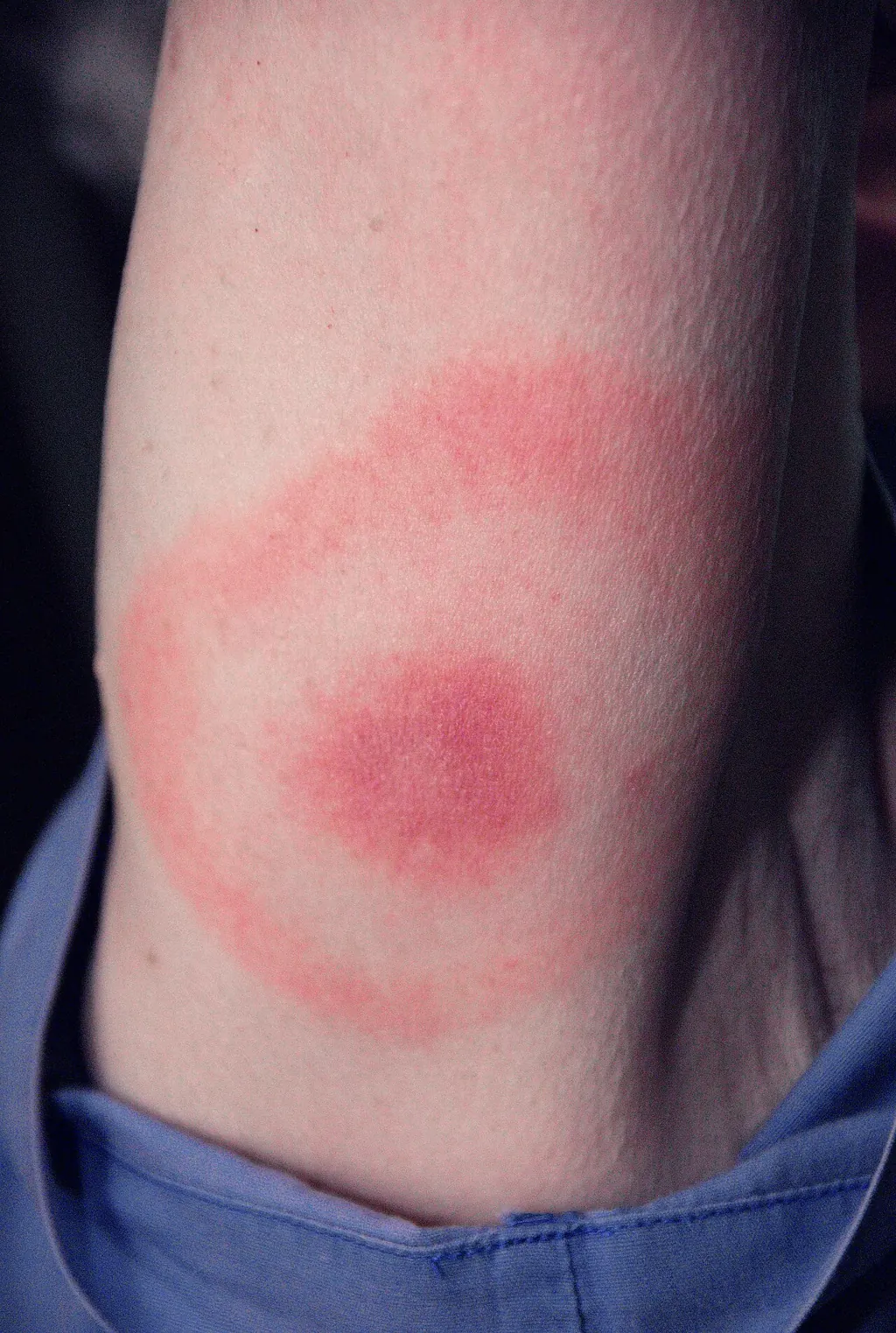
- A rash that spreads from the bite, 3 to 30 days later, up to 12 inches or more. It is warm and rarely itchy or painful.3
- Fever, chills, headache, fatigue, muscle and joint aches or swollen lymph nodes, even without a rash.3
- A small bump or redness right after the bite is common and goes away in a day or two. It is an allergic reaction, not Lyme.7
About 30 percent of confirmed cases reported to CDC have no rash at diagnosis.2
Lyme disease and other risks
Blacklegged ticks carry Lyme disease, anaplasmosis and babesiosis, and a bite can pass on more than one.1 Lyme comes from Borrelia bacteria. Untreated, it can spread to joints, the heart and the nervous system, causing arthritis, facial palsy, irregular heartbeat and severe headaches.3
In northern California areas where Lyme occurs, usually about 1 to 2 percent of adult western blacklegged ticks and 2 to 15 percent of nymphs carry the bacteria.6 The risk varies from place to place and year to year.6
Treatment works. Lyme is curable, and early treatment avoids later problems.2 CDC says early Lyme arthritis is treated with 4 weeks of antibiotics.5 Dogs can get Lyme but cannot give it to you. They can bring infected ticks into the house.2
Tick removal and what to do next
Pull the tick the same day. Use clean fine-tipped tweezers and grip the tick as close to the skin as possible. Pull straight out with steady, even pressure, and do not twist or jerk. If mouthparts stay in, leave them if they will not come out easily.4
Clean the bite and your hands with soap and water or alcohol. Seal the tick in a container or put it in alcohol, and do not crush it.4 Do not use petroleum jelly, heat or nail polish. Do not wait for a doctor to remove it and do not get the tick tested.4
If a rash or fever shows up within several weeks, see your doctor and mention the bite. If you become ill, do not wait for tick results before treatment.4
For the yard, clear leaf litter and brush and call a pro for a perimeter spray if your lawn borders woods. Lyme bacteria usually need about a day of feeding, so a daily check is the best defense.7
Tick control cost
Price ranges for blacklegged ticks
- One-time yard tick spray$100 to $500 per treatment
- Up to a quarter acre$100 to $200 per treatment
- One acre or more$300 to $500 per treatment
- Full season package$200 to $450 per season
A one-time yard tick treatment costs $100 to $500, with a national average of $200. A full-season package of 5 to 6 visits from April to September runs $200 to $450.10
By yard size, up to a quarter acre runs $100 to $200, a quarter to one acre runs $150 to $350, and one acre or more runs $300 to $500 or higher.10 A DIY application runs $20 to $80.10
Yard size is the biggest driver. Woodland-dwelling ticks need more targeted treatment, and brush, slopes and wooded borders raise the price.10 The guide we used lists no inspection price, so ask the pro what is included.
Preventing deer tick bites
Block the nymphs and check daily.
- Use at least 25 percent DEET on skin, and permethrin on clothes only.1
- Wear light-colored long sleeves and pants and tuck pants into socks.1
- Shower within two hours of exposure, and tumble outdoor clothes in a hot dryer for an hour.6
- Check pets and gear. Ticks can ride in on dogs and cats.6
- Mow and remove brush, leaf litter and tall weeds.1
- Remove rodents near the house.1
- In California, Lyme vaccines are available for dogs.6
When deer ticks bite
When blacklegged ticks are active, by month
- Quiet
- Low
- Active
- Peak
In Ohio, blacklegged adults are active in spring, fall and winter. Nymphs feed in spring and summer, and larvae in late summer. Some stage is active every month.1 Ohio Lyme cases are reported in every month, peak in summer, and most people are bitten in June and July.2
In California, nymphs are found from January through October and are most active from March to July. Adults seek hosts from late fall through spring.6 Nymphs are more active in spring and early summer, adults from fall through early spring.7
That is why the grids look different. In both states, spring and early summer is when nymph bites are most likely.
OHBlacklegged ticks in Ohio
Ohio blacklegged ticks have grown in number since 2010, mostly in forested areas.1 The Ohio Department of Health says they are most common in eastern and southern Ohio but likely occur in suitable wooded habitat across the state.2
Lyme used to be rare in Ohio. In the early 1990s there were one to two dozen cases a year, and it is now common to see hundreds.2 Yards that border woods or have tall grass or leaf litter can hold ticks.2
Ohio law requires pest management companies to be licensed through the Ohio Department of Agriculture. Ask for the license, proof of insurance and workers' compensation, and get at least three bids.11 Also see the lone star tick guide.
CAWestern blacklegged ticks in California
The western blacklegged tick is reported in 56 of California's 58 counties and attaches to people more often than any other tick.6 It lives along the Pacific coast, especially northern California.8
The state rate is low, about 0.2 cases per 100,000 people a year. Trinity, Humboldt and Mendocino counties run higher.6 About half of California cases are caught around the home in semirural areas.6
Nymphs hide in leaf litter and on logs and trunks under oaks and other woodlands. Adults sit on tips of tall grass and shrubs along trails.7
California's Structural Pest Control Board licenses pest companies by branch. Branch 2 covers household pests without fumigation.12 See the ticks and fleas hub for more.
Organic or Extermination for Ticks and Fleas
Here is what each way of getting rid of ticks and fleas looks like, side by side, from university and EPA sources.
Organic and green
How well each one works. For fleas, treating the pet with a modern on-animal product does the most, and cleaning the house finishes the job. For ticks, yard care lowers the numbers, and a repellent plus tick checks protects people. 123
- UC IPM, Pest Notes Fleas
- Ohio State University Extension, Ticks and Tick-Borne Diseases
- US EPA, Skin-Applied Repellent Ingredients
More Ticks and Fleas Guides
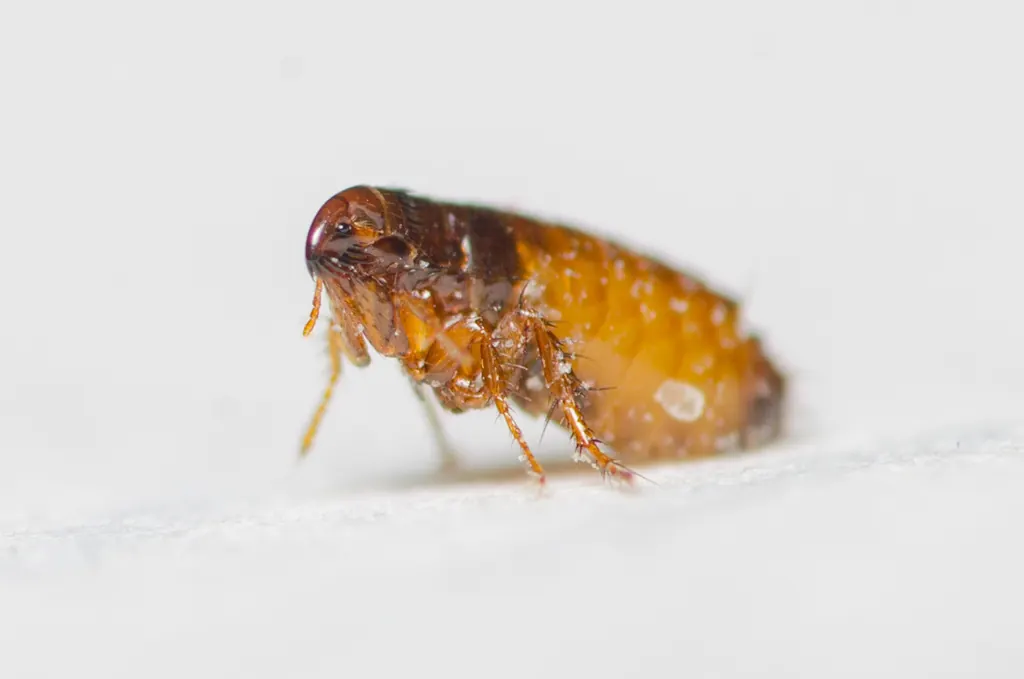 FleasTreat the pet and the house at the same time.
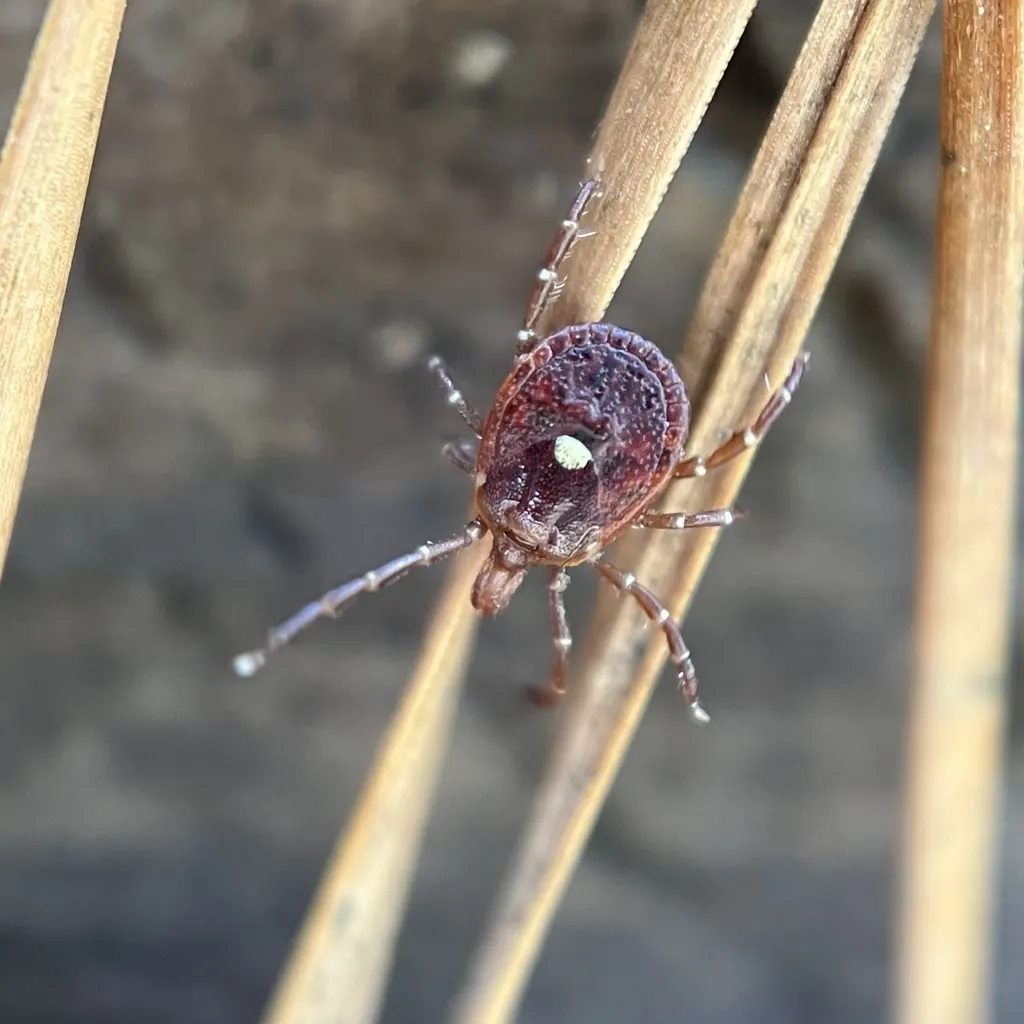 Lone Star TicksThe lone star tick is an aggressive biter found in the Northeast, South and Midwest.
Read the full ticks and fleas guide
Who Treats Ticks and Fleas Near You
These companies name ticks and fleas on their own website, the top of the Ohio and California lists. Every other state is linked below. See all 2272 sorted by region.
Ohio
- Names ticks on its siteOpen 7 days
- Names ticks on its siteSaturdays

- Names ticks on its site

- Names ticks on its siteSaturdays
- Names ticks on its siteSaturdays
- Names ticks on its siteSaturdays
California
- Names ticks on its site

- Names ticks on its siteOpen 7 days

- Names ticks on its siteOpen 7 days

- Names ticks on its siteSaturdays
- Names ticks on its siteOpen 7 days

- Names ticks on its siteOpen 7 days

Ticks and Fleas Help in Every State
The notes above cover Ohio and California in detail. Pick your state to see every company there that names ticks and fleas, sorted by region, with the state’s own license rules in the answers.
- Alabama 35
- Alaska 1
- Arizona 23
- Arkansas 28
- California 244
- Colorado 9
- Connecticut 41
- Delaware 7
- Florida 236
- Georgia 61
- Hawaii 3
- Idaho 15
- Illinois 40
- Indiana 49
- Iowa 16
- Kansas 23
- Kentucky 13
- Louisiana 41
- Maine 25
- Maryland 53
- Massachusetts 110
- Michigan 54
- Minnesota 15
- Mississippi 16
- Missouri 35
- Montana 2
- Nebraska 7
- Nevada 5
- New Hampshire 14
- New Jersey 118
- New Mexico 8
- New York 129
- North Carolina 75
- North Dakota 3
- Ohio 120
- Oklahoma 34
- Oregon 37
- Pennsylvania 45
- Rhode Island 12
- South Carolina 49
- South Dakota 3
- Tennessee 44
- Texas 209
- Utah 15
- Vermont 4
- Virginia 74
- Washington 43
- Washington DC 2
- West Virginia 1
- Wisconsin 23
- Wyoming 3
Questions People Ask About Blacklegged Ticks
What is the life cycle of a deer tick?
A deer tick passes through egg, larva, nymph and adult. In Ohio, larvae are active in late summer, nymphs in spring and summer, and adults in spring, fall and winter. Each stage after the egg needs blood.1
Do ticks jump or fly?
No. Ticks climb onto you when you brush against grass, rocks and logs. Adults wait on the tips of tall grass and shrubs, often along trails, and nymphs wait in leaf litter and on logs.7
What is the best tick repellent?
Use one with at least 25 percent DEET on skin, and permethrin on clothes only. EPA also lists picaridin, IR3535, oil of lemon eucalyptus, p-menthane-3,8-diol and 2-undecanone as registered skin-applied ingredients.1,9
How long must a tick be attached to spread Lyme?
CDC says remove ticks within 24 hours to prevent infection. California health officials say an infected western blacklegged tick must feed for at least 24 hours before it can pass on the bacteria.5,7
What does a Lyme rash look like?
It starts at the bite site and spreads over several days, up to 12 inches or more. It is usually warm and rarely itchy or painful. About 70 to 80 percent of infected people get one.3
How do I remove a deer tick?
Grip it close to the skin with clean fine-tipped tweezers and pull straight out with steady pressure. Do not twist. Clean the bite and your hands, then watch for a rash or fever.4
Is Lyme disease curable?
Yes. The Ohio Department of Health says Lyme disease is curable, and early diagnosis and treatment help avoid further problems. See a healthcare provider if you get sick.2
Sources
- Ohio State University Extension. Ticks and Tick-Borne Diseases
- Ohio Department of Health. Lyme Disease
- CDC. Signs and Symptoms of Untreated Lyme Disease
- CDC. What to Do After a Tick Bite
- CDC. Lyme Disease
- UC IPM. Pest Notes Lyme Disease in California
- California Department of Public Health. Lyme Disease
- CDC. Where Ticks Live
- EPA. Skin-Applied Repellent Ingredients
- Pest Control Pricing. Tick Exterminator Cost
- Ohio State University Extension. Choosing a Pest Management Company
- California Structural Pest Control Board. Licensee Types and Branches
Photo credits
- The bullseye rash of Lyme disease. Photo by James Gathany, Public domain, via Wikimedia Commons